EES And ETIAS Are Not The Same Thing And Yes, It Matters |
One changes what happens at the European border. The other is a travel authorisation you will need to arrange before departure. |
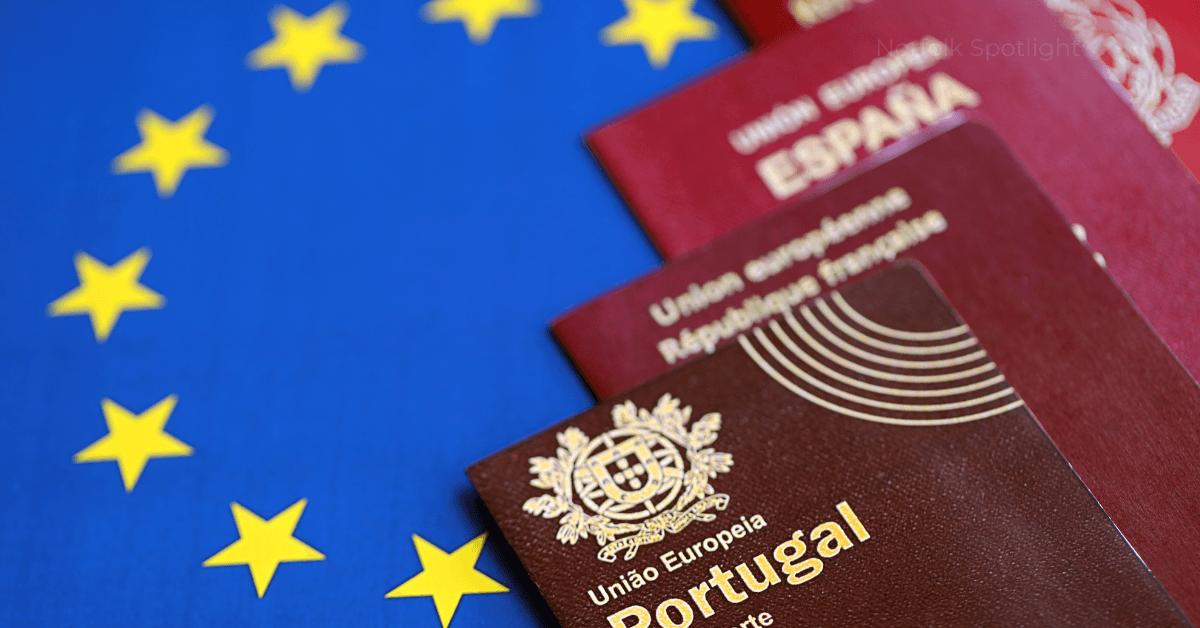
If you have seen EES and ETIAS mentioned in the same travel update, it is easy to assume they are two names for the same new form.
They are not.
For a Norfolk traveller heading to Spain, Greece, the Netherlands, France or another European destination, the most important distinction is simple: EES is a border process; ETIAS is an online travel authorisation.
That difference tells you whether you need to apply, pay, register your details or simply allow more time when you arrive.
EES: what happens at the border
EES stands for the Entry/Exit System.
It is the European Union’s digital system for recording non-EU nationals making short stays in the 29 European countries using it.
For British passport holders, that normally means your passport details, entry and exit dates, facial image and fingerprints are recorded when you cross the external border of the EES area.
The system is designed to replace passport stamping and to help authorities track the 90-days-in-180 rule.
The important point is that you do not apply for EES in advance and there is no EES fee.
Registration happens as part of border control.
Depending on the crossing point, you may use a self-service kiosk before seeing a border officer, or be dealt with directly by border staff.
The six-month phased rollout ended on 9 April 2026.
Since 10 April 2026, EES has been fully operational at the external border points covered by the system, and manual passport stamping has been replaced by electronic registration.
You should therefore expect a different arrival experience from the one you had before.
Keep your passport accessible, follow the signs and allow extra time, particularly if you are travelling at a busy airport or crossing by ferry, train or road.
Norwich Airport is a great local example.
Its current Europe information says passengers can connect to 88 European destinations via Amsterdam with KLM.
If Amsterdam is the first Schengen border on your itinerary, the EES process will take place there not when you leave Norfolk.
The precise arrangement depends on your route and whether you are simply transiting or entering the Schengen area.
ETIAS: what you arrange before travel
ETIAS stands for the European Travel Information and Authorisation System. It is closer to the United States ESTA or the UK’s ETA: an online pre-travel authorisation for visa-exempt visitors.
UK nationals will need a valid ETIAS to travel to the 30 European countries requiring it for short stays, unless an exemption applies.
It is not a visa, and it does not guarantee entry. Border officers can still ask for your passport and evidence that you meet the entry conditions.
As of 17 July 2026, ETIAS is not yet operating.
The EU says it will start in the last quarter of 2026 and will announce the specific launch date several months beforehand.
No application is being collected at the moment, so be wary of websites claiming they can process an ETIAS today.
When the system opens, the application will be completed online or through the official mobile app.
The fee is €20, although applicants under 18 or over 70 are exempt from paying it.
The authorisation is linked to the passport used in the application and is valid for up to three years, or until that passport expires, whichever comes first.
That last detail matters.
If you renew your passport after receiving ETIAS, you will need a new authorisation for the new document.
The easiest way to remember the difference
Think of the two systems as separate stages:
Before you travel: check whether ETIAS is required and, once it is live, apply using the official EU system.
Check the passport details carefully.
At the border: complete the EES registration if you are covered by it.
Expect a facial image and fingerprints to be taken, subject to the relevant rules and exemptions.
So, for a typical British holidaymaker travelling to a Schengen destination, the answer may eventually be: ETIAS before the trip, EES at the border.
They are not interchangeable, and having one does not replace the other.
There are exceptions. People with certain residence permits or residence documents, some family members of EU nationals and other exempt categories may not need one or both systems.
Travellers with a visa should also check the specific rules for their trip rather than relying on a general checklist.
Ireland remains outside EES, while Cyprus is not among the 29 countries currently using EES.
ETIAS covers a separate list of 30 European countries, so the destination matters.
What a Norfolk traveller should do now
If your trip is before ETIAS launches, you do not need to apply for ETIAS yet.
You should still check your passport, destination-specific entry rules and the 90-day limit before setting off.
For EES, do not search for a registration form or pay a third-party website.
Instead, expect the registration to happen when you cross the relevant European external border, and build some flexibility into your journey.
If your route begins at Norwich Airport and connects through Amsterdam, check the connection details before travelling so you know where border control takes place.
If you are travelling via Dover, Eurostar or another port, the process may happen before leaving the UK under the special juxtaposed-border arrangements.
The simple version is this: EES records your crossing at the border. ETIAS gives you permission to travel before you reach it.
Remember this explanation before your next European trip.
RESOURCES
3 Connect to Europe - Norwich Airport |
0 Comments
Join the conversation
Be the first to comment
Share your thoughts above.