
Gardens After The Heatwave: What To Do Now, And What To Leave |
Brown lawn? Crispy shrubs? Resist the urge to attack everything with the hose and secateurs. Some of the best jobs can wait until the rain comes back. |
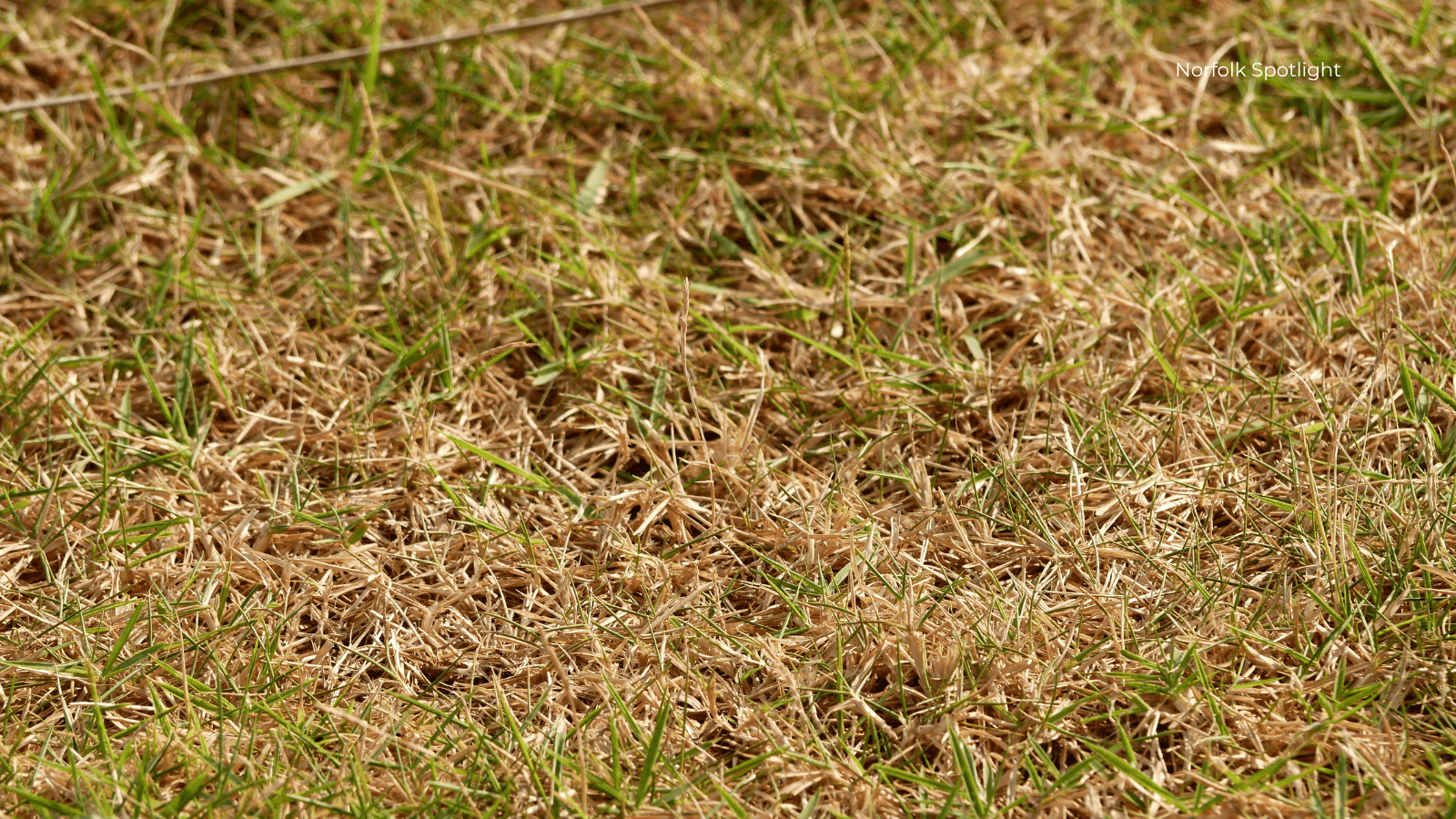
A brown lawn can look terminal.
A scorched shrub can look ready for the bin.
And after weeks of heat, the natural reaction is to start cutting, feeding, watering and generally trying to rescue everything at once.
That may be exactly the wrong move.
Some gardens now need less enthusiasm, not more.
The priority is simple: keep the plants alive that genuinely need help, then leave the rest alone long enough to show whether they’ve actually died.
First Question: Who Gets The Water?
Containers, vegetables and newly planted trees should be near the front of the queue.
Pots dry out quickly. Vegetables can go from unhappy to finished surprisingly fast.
And a tree planted this year has far less resilience than one that has been sitting happily in the garden for 15 years.
Water slowly at the base rather than spraying everything vaguely in the hope that something benefits.
Morning or evening is usually the better time.
And before reaching for the hose, check the current Anglian Water restrictions. A temporary-use ban has been in force, with rules around hosepipes, sprinklers and other mains-connected equipment.
There are exceptions in certain situations, but this is not a game of “I reckon mine probably counts.”
Check first.
A watering can and collected rainwater may suddenly look much more attractive.
Leave The Brown Lawn Alone
This is the bit that requires self-control.
If your lawn currently resembles something from an old Western, it does not automatically mean it is dead.
Established grass can turn straw-coloured during prolonged dry weather and recover once proper rain returns.
So before ordering new turf and spending the weekend digging everything up:
wait.Yes, really.
Coastal and sandy ground can dry out particularly quickly, so lawns around places such as Wells and Cromer may look especially grim while heavier inland soils hold moisture longer.
Grim does not necessarily mean dead.
If you absolutely have to mow, keep the blades higher and don't scalp it.
And this is probably not the moment for scarifying, spiking, overseeding or launching your personal Wembley-pitch restoration project.
Those jobs will still be there when the soil is damp again.
Step Away From The Fertiliser
A stressed plant does not necessarily want dinner.
Fertiliser encourages growth. A plant already struggling with heat and lack of water may have more pressing concerns.
The same applies to major pruning.
Those brown leaves are ugly, but ugly and dead are not always the same thing.
Check lower down the stem for signs of life.
A small scratch with a fingernail can help: green tissue underneath is encouraging; dry brown wood all the way down is less so.
It is not a perfect diagnostic test, but it may stop you cutting a recovering plant back to ankle height because it offended you aesthetically.
Your Mulch Can Wait Too
It is tempting to cover every dry border with a heroic layer of mulch. Again: maybe not yet.
RHS advice is to wait until autumn rain has returned before mulching established beds.
Putting mulch over baked-hard soil does not magically turn it into a moisture paradise.
Once the rain has softened the ground, that is a much better time to lock moisture in.
Autumn Is When The Proper Repair Starts
This is when you can get revenge on the garden.
Once cooler weather and rain return, you can properly assess what survived.
Then start thinking about:
New roots have a far better chance in cooler, damper soil than in a border that currently resembles pottery clay.
But Don't Ignore Genuine Problems
“Leave it alone” does not mean abandon the garden completely. Remove diseased material.
Deal with broken or dangerous branches.
Keep vegetables, pots and recently planted trees alive.
And if something is completely dead, you do not need to hold a memorial service until October.
The point is simply not to mistake looking terrible for being beyond saving.
The Five-Minute Garden Plan
If you want the simplest version, do this:
Water the vulnerable plants. Check the current water restrictions. Leave established brown grass alone. Hold off on feeding and major pruning. Wait for proper rain before starting the renovation.
Your garden may currently look like it has resigned.
Give it a few weeks before accepting the resignation.
What has surprised you by bouncing back after the heat and what definitely hasn't?
Tell Norfolk Spotlight. We’d love to know which plants have turned out to be tougher than they look. |
0 Comments
Join the conversation
Be the first to comment
Share your thoughts above.