
The Dog Grooming Question Owners Usually Ask Too Late |
There is no single timetable for every dog. Coat, lifestyle, health and tolerance all matter and waiting for a problem can make grooming harder. |
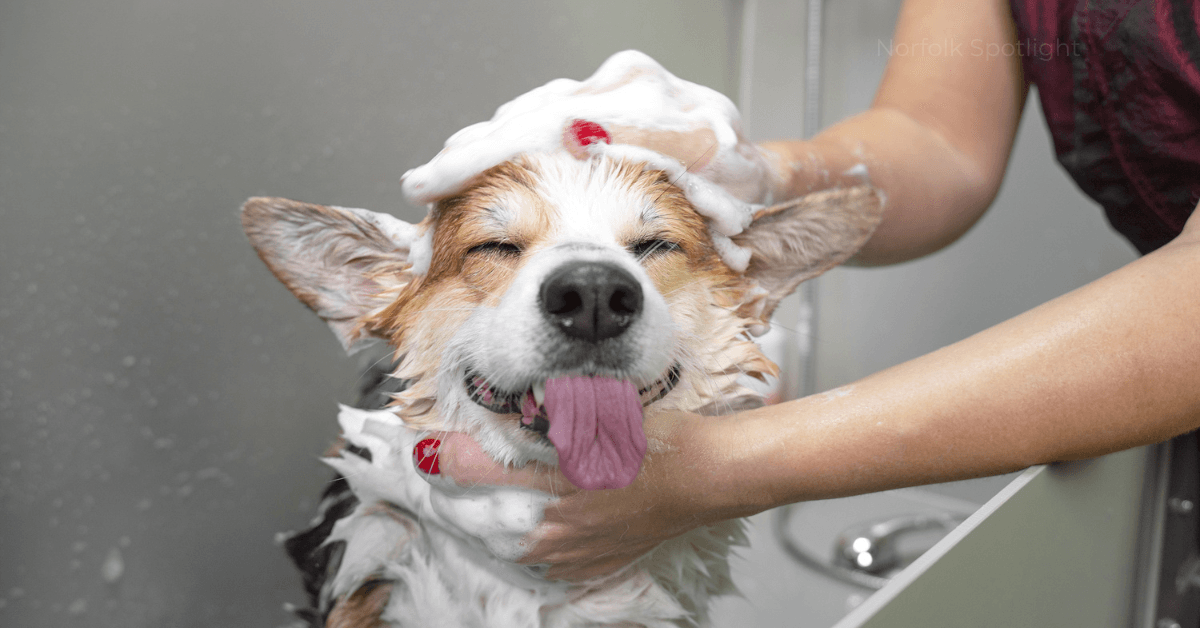
By the time the coat is matted, the nails are clicking across the kitchen and the dog has started looking suspiciously like a neglected footstool, the easy grooming appointment may already have disappeared.
So how often does a dog actually need professional grooming?
The honest answer is less obvious than many owners hope: it depends on the coat, the dog and what you mean by grooming.
A short-haired dog may need little more than regular brushing at home, while a curly-coated dog can need a carefully maintained routine to prevent knots becoming painful matting.
Professional grooming is not a replacement for everyday care.
For many dogs, it is one part of a routine that includes brushing, checking the skin, looking at the ears and keeping an eye on nails at home.
Start with the coat, not the calendar
A good starting point is coat type.
Long-haired dogs, including breeds such as Lhasa Apsos, Bearded Collies and long-haired Yorkshire Terriers, may need daily brushing to keep the coat healthy and reduce tangles.
Medium-coated dogs, including some Spaniels and German Shepherds, commonly need brushing several times a week.
Short-haired breeds such as Labradors and Staffordshire Bull Terriers may only need brushing around once a week.
Those are guideposts, not rules.
A dog with a dense coat, a fine coat that knots easily or a curly coat can need more attention than its breed label suggests.
Poodle crosses are a familiar example: their curled coats can tangle quickly, particularly after getting wet.
The Kennel Club’s puppy guidance also separates coats into types such as smooth, silky, wire, double and wool, with different brushing needs for each.
That is a important reminder that two dogs of similar size may have completely different grooming workloads.
When does a professional groom become worth considering?
Professional help is most benefical when the coat needs equipment, technique or regular trimming that is difficult to manage safely at home.
For some dogs, clipping or coat maintenance may be needed every four to 12 weeks.
That is a broad range because the right interval depends on the length the owner wants to maintain, how quickly the coat grows, how well it is brushed between visits and whether the dog gets wet, muddy or dirty regularly.
Some terrier-type coats may need stripping rather than ordinary clipping.
A groomer can also help owners understand whether the dog’s coat should be trimmed, brushed out or maintained in a particular way.
The important point is not to wait until the dog looks untidy. If the coat is already pulling, clumping or hiding the skin, the session may become more uncomfortable and more complicated.
Matting is a welfare problem, not just a cosmetic one
Mats can form behind the ears, under the legs, around the tummy, between the toes and anywhere a harness or collar rubs.
Once tight, they can pull on the skin, trap dirt and moisture, and make ordinary touching uncomfortable.
A wet coat can make existing tangles worse.
That is why brushing out knots before bathing matters, and why trying to cut close to the skin with household scissors can be risky.
Guidance from PDSA specifically advises owners not to tackle severe mats at home.
If a coat is badly matted, the safest next step may involve a professional groomer or veterinary advice, depending on the dog’s condition and how distressed they are.
A dog that suddenly resists being touched may not be being difficult; the coat or skin may be sore.
Nails, ears and skin change the answer
Coat care is only part of grooming.
Some dogs wear their nails down naturally through activity, while others need them clipped regularly.
Dogs that walk less on hard surfaces, have reduced mobility or have leg shape and health issues that affect their gait may need closer attention.
Clicking across a hard floor is a prompt to check the nails, not a complete assessment of what they need.
Ears should also be checked regularly. A build-up of wax or hair, unpleasant smell, itching or repeated head-shaking is a reason to speak to a vet before trying to clean inside the ears yourself.
The same applies to sudden changes in the skin or coat. Redness, sores, persistent itching, hair loss or a new smell may point to a health problem rather than a simple grooming issue.
The dog’s temperament counts too
A grooming timetable that works for a relaxed adult dog may be completely wrong for a nervous rescue dog, a puppy or an older dog with painful joints.
Introducing handling early, keeping sessions short and using praise or treats can help build a more positive association.
If the dog becomes worried, stopping and trying again gradually is usually more useful than forcing the session to continue.
This is another reason not to leave grooming until the coat is in trouble.
Regular, manageable handling can make brushing, nail checks and professional appointments less daunting.
A practical rule for Norfolk dog owners
Think in layers: check the coat little and often, brush according to its texture, watch the nails and arrange professional help before matting becomes established.
After a wet walk on the coast, through long grass or across a muddy field, give particular attention to the places where tangles start.
Behind the ears, under the legs and around the feet are easy to overlook when a dog is dry and fluffy.
The right question is not, “How many weeks between grooms?”
It is, “What does this dog’s coat and comfort need now - and what routine will prevent a bigger problem later?”
Tell Norfolk Spotlight the dog-grooming question you would want a patient local groomer to answer.
Or reply to this article with yours.
Useful Resources
2. How to groom your dog — Blue Cross 3. Dog Skin and Ear Care — Blue Cross 4. Kennel Club Assured Breeders Scheme puppy information pack
Continue Reading
Silence At Sandringham: What Happens Next? The Five-Minute Check Before A Norfolk Summer Drive £250,000, £350,000 Or £500,000: What Does Your Money Actually Buy In Norfolk? |
0 Comments
Join the conversation
Be the first to comment
Share your thoughts above.