
MOT Due? 5 Checks Norfolk Drivers Could Make Before Risking A Retest |
A five-minute look at your car can spot obvious problems before you pay for an MOT appointment. |
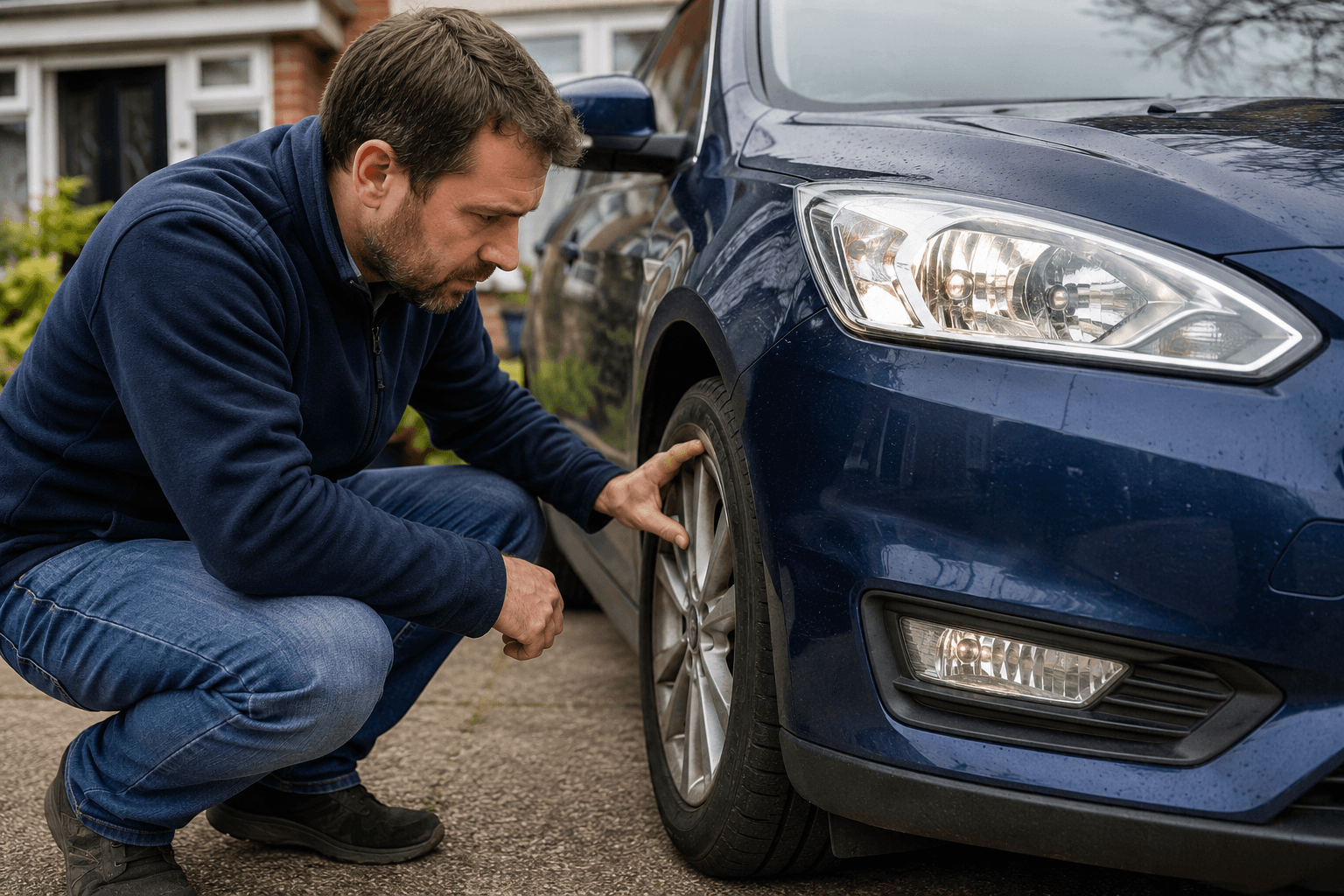
An MOT failure can mean another appointment, another bill and more time without your car.
Before driving to a test centre in Norfolk, spend five minutes looking for the faults you can spot yourself.
This won’t replace the MOT.
The DVSA checks brakes, steering, suspension, emissions and other parts that aren’t sensible or safe to assess on your driveway.
But these five checks can catch some obvious problems first.
1. Switch on every light
Check the headlights, sidelights, brake lights, indicators, rear fog light and hazard lights.
Walk around the car, or ask someone to check the rear lights while you operate the controls.
A failed bulb is often easy to replace. Don’t forget the number-plate light, and wipe dirt from lenses if they’re hard to see.
2. Look closely at the tyres
The legal minimum tread depth for cars and light vans is 1.6mm across the middle three-quarters of the tyre and around its full circumference.
“If you’re unsure, use a proper tread-depth gauge or have the tyre checked.
Check all four tyres for cuts, bulges or other damage.
Look at the spare too, if your car has one. Check the pressures against the figures in the handbook or on the vehicle’s information label.
3. Check the windscreen, wipers and washers
Look through the windscreen from the driver’s seat. Chips or cracks in the area swept by the wipers can cause trouble, particularly if they affect your view.
Test both wipers and the washer spray.
Worn blades, an empty washer bottle or a blocked jet are simple things to find before the test.
Don’t pour anything into the washer bottle that could damage the system.
4. Take warning lights seriously
Start the engine and see which dashboard warning lights remain on. Some lights should go out after the engine starts; others may signal a fault that needs checking.
The DVSA’s MOT inspection includes certain warning lamps, so a warning light that stays on shouldn’t be brushed aside just because the car still drives normally. Check the handbook if you’re unsure what a symbol means.
5. Test the basic safety items
Try each seatbelt, including the buckle and its release.
Check that the doors open and close securely, the mirrors are present and usable, and the horn works. Make sure the registration plates are clean, secure and readable.
You can also check the oil, coolant, brake fluid and washer fluid using the vehicle handbook. Never open a hot coolant system, and don’t work under a car supported only by a jack.
Car owners still need the formal MOT: these checks only deal with visible and accessible items.
But five minutes before leaving home could spare you the frustration of failing on something you could have spotted in advance.
Have you ever failed an MOT because of a light, tyre or another obvious item?
Tell us what it was, and include your town if you’d like to help build a helpful follow-up checklist. |
0 Comments
Join the conversation
Be the first to comment
Share your thoughts above.