Thinking Of Plug-In Solar? Check These Things First |
The small solar panels look easy to buy and use. But your home, wiring, permissions and savings claim all need a closer look before you spend a pound. |
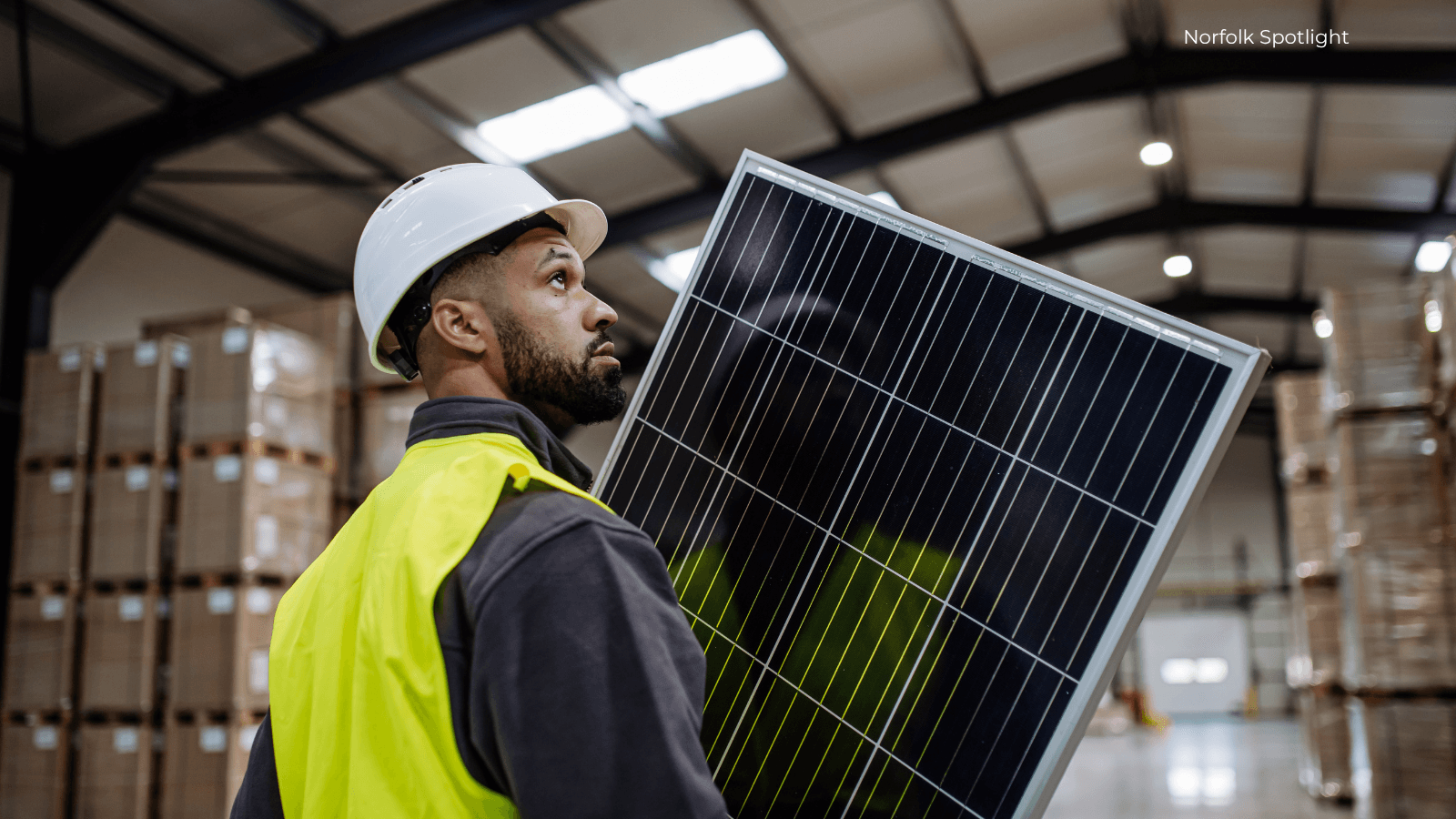
Plug-in solar sounds like the sort of thing you can order online, put in the garden and forget about.
From 27 August 2026, compliant systems can legally be bought and used in Great Britain, including in some outdoor spaces and on some balconies.
That does not mean every kit will suit every home.
A shaded garden, an exposed coastal position, an unsuitable socket or a leasehold rule can quickly turn a tempting shortcut into an expensive bit of equipment that produces very little.
Here’s what to check before paying.
1. Is it a compliant product, not just a panel with a plug?
The new rules are for a specific type of small solar generator.
The government’s interim specification says it must be a single-phase domestic device, use the manufacturer-supplied BS 1363 plug and have a maximum apparent power of 800 VA.
At present, only one plug-in solar product is allowed per household.
So don’t assume you can buy several panels and spread them around the property.
A product described as a “solar balcony system” or “DIY solar kit” still needs to meet the relevant UK specification and electrical standards.
Ask the retailer for the exact product-compliance information before you buy.
If the listing is vague about the inverter, plug, output limit or standards it meets, that is a reason to hit pause on your purchase.
2. What will it actually generate at your house?
The headline saving on an advert is not your saving.
Output depends on the position, direction, shade, weather and how much electricity your home is using during the day.
A south-facing, unshaded spot may perform very differently from a north-facing balcony or a garden boxed in by walls and trees.
Norfolk’s open coastal locations bring another check: the mounting arrangement must cope with the particular site, including wind exposure.
A panel that produces some electricity is not automatically a panel that pays for itself quickly.
Ask the seller to show the assumptions behind its annual generation and saving figures.
You want to know what they have allowed for shading, your electricity tariff and daytime demand.
If most people are out at work or school while the panel is producing, more of the electricity may be sent to the grid rather than used in the home.
That can change the sums considerably.
3. Can you put it there legally?
Planning permission and electrical safety are different checks.
The government says homeowners should look at landlord or freeholder rules, planning restrictions and listed-building requirements before installation.
That catches several Norfolk situations at once.
A detached house with a private garden is not the same as a flat with a shared balcony.
A terraced home may have less room and more overlooked outdoor space.
A property in a conservation area or a listed building may face extra restrictions.
Leaseholders may need written consent from a landlord, freeholder or management company even if planning permission is not required.
Get the answer for your address, not just a general promise on a product sales page.
4. What does the electrical check cover?
The equipment may be small, but it is still connected to your home’s electrical system.
Check the condition of the socket and circuit, particularly in an older property, a home with altered wiring or somewhere showing visible damage.
The network rules also matter.
Ofgem has approved a G98 change for compliant plug-in solar PV, but that is about network safety.
It does not replace the need to check the product, the property’s electrical installation or the permissions attached to the home.
Ask the retailer who is responsible for any required notification and what paperwork you will receive.
Keep certificates, instructions and purchase records. They may be needed later for an insurance query or when you sell.
If the seller cannot explain the installation and paperwork in ordinary language, ask a qualified electrician who understands this stuff to look at the proposed setup before you commit.
5. Don’t count export payments before checking the route
Any electricity you do not use may flow back to the grid, but payment is not automatic.
Ofgem’s Smart Export Guarantee guidance says you need to apply to a participating licensee, have an export meter and meet the supplier’s requirements.
For small solar installations, an MCS certificate or recognised equivalent may be requested, and suppliers set their own tariff terms.
That means “you can earn from spare electricity” is not the same as “you will be paid at this rate”.
Ask who handles certification, what meter is needed and which suppliers will accept the system.
6. Read the boring bits before the exciting bits
Check the warranty length and exclusions, who deals with a failed inverter, how returns work and who is responsible if a panel or frame is damaged.
Also look at the mounting instructions, trip hazards, falling-object risks, glare and access for maintenance.
There is no shame in deciding not to buy.
For some Norfolk homes, better insulation, a conventional professionally designed solar installation or simply keeping the money in the bank may make more sense.
The new plug-in market gives homeowners another option. It does not remove the need to check the home first.
Have you found a question that a retailer’s product page does not answer?
Send it to our home-energy experts, especially if it involves a flat, a leasehold property, a shaded garden or a listed or conservation-area home. |
0 Comments
Join the conversation
Be the first to comment
Share your thoughts above.