
“Hello Norfolk – Welcome To The Spotlight” Beautiful Norfolk, Awkward Reality |
Norfolk is very good at selling the dream.
Big skies. Cromer Pier. Wells beach huts. Holt shopfronts. Blakeney boats. Norwich lanes. Crab sandwiches. Broadland sunsets.
Lovely.
Now try renting near the coast on local wages. Try getting across the A47 after one crash. Try booking a GP appointment when the bus timetable has other ideas. Try heating a draughty cottage outside Diss when “character” starts leaking out through the windows.
That is the Norfolk nobody puts on a postcard.
And it is the Norfolk this issue is about.
Because yes, the county is beautiful.
Nobody sensible is denying that.
But beauty does not fix roadworks near King’s Lynn, homes around Wells and Sheringham that locals can only admire from the pavement, pubs that look packed in August and panic in January, or bills that arrive with all the warmth of a wet Tuesday in February.
We previously asked whether the benefit of the doubt has gone.
This week, we’re going a bit further.
Because once people start asking what things actually cost, who they actually serve, and why every “improvement” seems to need three delays, two consultations and a car park full of cones, the conversation gets a lot less polite.
This week: the A47, North Walsham growth, council changes, GP access, coastal housing, fish and chips that now need a small committee, seasonal businesses, heating bills, dog recall, rural school runs, and the big Norfolk question:
Is this county changing for locals, visitors, developers or just anyone with enough money to wait out the mess?
We want the version people actually say at the school gate, in the pub, in the car park, or halfway through checking a bill twice.
Which road still makes you swear under your breath?
And where in Norfolk does the postcard version stop matching real life?
Tell us where you’re based and what everyone near you is saying but nobody official wants to write down. |
 |
The Road Norfolk Has Been Talking About For Decades |
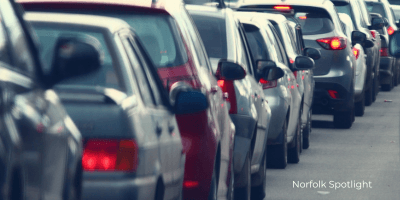
The A47 is not just a road in Norfolk. It is a recurring local mood.
People talk about it the way they talk about weather, council tax and bins: with resignation, lived experience and the occasional sentence that cannot be printed before breakfast.
The North Tuddenham to Easton dualling scheme is meant to complete the dual carriageway between Norwich and Dereham.
National Highways lists a 2023–24 start, a 2026–27 end, and a cost band of £100m–£250m.
That is the project version.
The local version is this: a normal Norwich-to-Dereham trip can still turn into a gamble before you’ve even got your podcast started.
One incident. One closure. One diversion through villages that were never built to swallow half the county’s traffic.
Suddenly a journey measured in miles becomes a journey measured in sighs, muttering and checking Google Maps like it personally owes you an apology.
A driver from Dereham put it perfectly:
And the A47 problem is not just one stretch.
King’s Lynn, Dereham, Easton, Thickthorn, Acle, Great Yarmouth — different places, same old argument.
The Thickthorn junction scheme near Norwich is also listed by National Highways, with a planned Q3 2025/26 start, a 2028/29 end, and a £216m–£239m cost range.
That is a lot of money, a lot of cones, and a lot of “coming soon” before drivers feel anything close to relief.
A local breakdown company told us the blunt version: some junctions catch people out, some routes demand more patience than they deserve, and some “improvements” only feel real when drivers stop planning their day around avoiding them.
That is the test.
Not the project page.
The test is whether someone from Dereham can get to Norwich without treating the journey like a tactical exercise.
A better road is not better because the project page says so.
It is better when locals stop building their day around the delay.
So which Norfolk road or junction still makes you swear under your breath? |
 |
North Walsham: New Homes, New Neighbours, Same Old Questions |
New homes always look simple on a planning map.
Neat blocks. Sensible arrows. A bit of green space. A road link drawn so calmly you’d think traffic had never annoyed anyone in its life.
Then real life turns up.
Norwich Road gets busier. Cromer Road takes more of the strain. GP appointments become harder to find. The school run starts taking longer.
Someone who used to nip across town in ten minutes suddenly needs to leave earlier because “a few more houses” has become a few more hundred cars.
That is the North Walsham question.
Growth can mean two things at once.
More homes can help. Young families need somewhere to live. Local workers need options that do not push them miles away from their jobs.
Shops around Market Place need customers. Schools need pupils.
Towns need people, not just nice buildings, nostalgia and a Facebook group arguing about parking.
But homes do not arrive alone.
They bring cars, school applications, dentist searches, GP registrations, delivery vans, dog walkers, childcare needs, drainage questions, parking arguments and the everyday grind of more people trying to use the same roads and services.
North Norfolk District Council says the North Walsham West work includes looking at a Western Link Road around the town, linking Norwich Road, Cromer Road and the industrial estate.
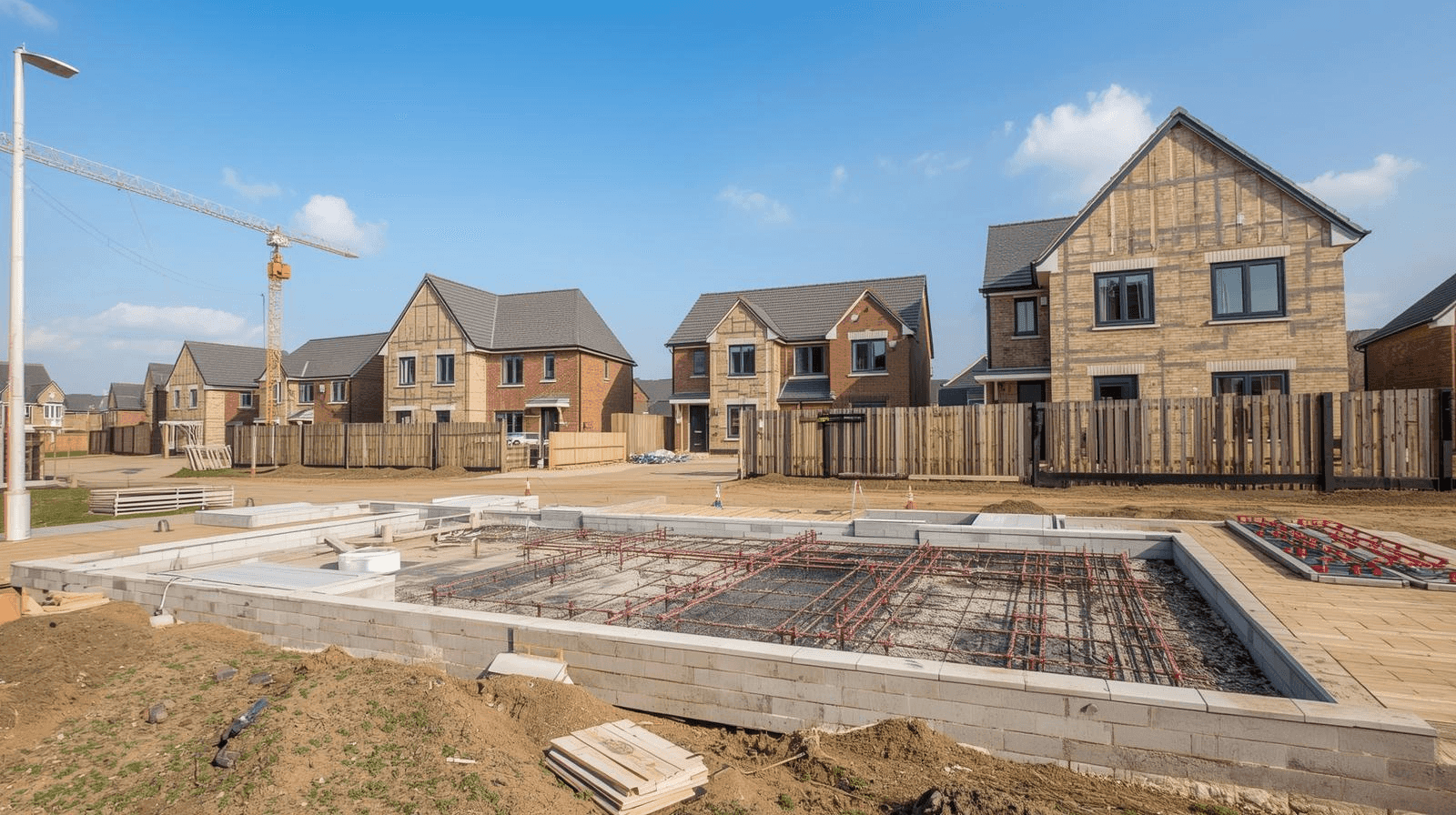
A development brief for land west of North Walsham refers to around 1,800 homes, employment land, green infrastructure and a road linking Norwich Road and Cromer Road.
Here are some of the proposed 1800 homes in the area.
Norwich Road Proposal: A project by Hopkins Homes located on Norwich Road, including revised drainage, transport assessments, and ecological surveys.
Glossy brochures promise efficient heating, driveways, and shiny kitchens pitched at “modern Norfolk living.”
On the portals right now, new three-beds start in the mid-£300,000s and run well above £500,000 depending on finish and plot.
That’s not far off coastal spots like Cromer, where sea-view homes often nudge higher, but it keeps North Walsham within reach of families priced out of the coast.
Local chat is mixed. Some residents worry about estates “changing the town’s character,” while others welcome fresh housing stock that isn’t holiday lets.
One reviewer of a recent development summed it up: “Good to see family homes for actual families.”
Locals are divided. One long-timer on a community page grumbled:
“Feels like we’re being turned into Norwich-lite, all box houses and no soul.” Another replied: “Better this than endless Airbnbs. At least families might actually live here.”
New builds in Norfolk — what do you think? It sounds organised.
The lived version is simpler: will the roads, schools, doctors and buses be ready when the people are?
A resident from North Walsham put it exactly right:
That line should probably be stapled to every growth plan in Norfolk.
Because yes, Norfolk needs housing. Nobody serious is pretending otherwise.
But growth has to arrive with the things that make a town work: roads, doctors, schools, buses, childcare, parking, shops and local jobs.
Before buying in a fast-growing town, ask the questions that do not look exciting on a brochure: which road gets busier, which school takes the extra pupils, how far is the GP, where does everyone park, and what does the place feel like at 8.30am on a wet Tuesday?
A new home is not just a front door.
It is everything around it.
If you live near North Walsham, what should newcomers check before they move in? |
 |
The Coast Looks Full. So Why Can’t Locals Find Homes? |
The Norfolk coast can look packed and still feel strangely empty in the places that matter.
Cromer, Sheringham, Wells, Blakeney, Hunstanton, Brancaster the summer version is easy to spot.
Cars edging into spaces that don’t exist. Queues outside cafés before lunch. Dogs everywhere. Ice creams melting faster than children can eat them. Tables booked early. Holiday cottages glowing at night.
People in linen pretending parking was effortless.
It looks alive.
But a busy coast is not the same as a lived-in coast.
That is the bit locals keep circling back to.
A worker from Wells told us the hardest part is not just the price of homes. It is the feeling that the place needs local workers, but does not always leave room for them.
That line lands because it is the whole problem in one sentence.
Visitors want the coast to feel alive.
They want the pubs open, the cafés staffed, the shops stocked, the boats running, the toilets cleaned, the care homes staffed, the schools working, the tradespeople available, and someone there to serve the coffee, fix the leak, teach the children and keep the place from becoming a pretty backdrop with nobody behind it.
But if the people doing that work cannot afford to live nearby, the picture starts to crack.
The numbers are where the postcard starts to tear.
A coastal rental at £950–£1,200 a month is not just “market forces” if the person making your coffee, cleaning your holiday let, caring for your mum or pulling pints at lunchtime has to move 35 minutes inland to afford it.
Move towards Fakenham, North Walsham, Dereham or King’s Lynn and the rent may soften, but then fuel, time and the school run join the bill.
That is not a housing market working neatly.
That is a postcard eating its own staff.
And this is the missing bit: the modest rental, the small terrace, the flat above a shop, the home a café worker, teaching assistant, carer, cleaner or junior chef can afford without needing a second job, a relative’s spare room or a miracle dressed as a landlord.
Holiday lets and second homes are not the whole story.
Wages matter. Housing supply matters. Planning matters. Transport matters. Older stock matters. Local incomes matter.
But locals are not imagining the squeeze.
A village can be full of people and still lose the people who make it work.
That is the coastal housing argument nobody can brochure their way out of.
So tell us the useful version.
Where has housing changed most?
Wells, Cromer, Sheringham, Hunstanton, Blakeney, Holt, Fakenham or somewhere else what has changed near you? |
 |
6 Norfolk Stops That Prove “Worth It” Still Exists |
Not every Norfolk recommendation has to mean a £90 meal, a perfect sea view or somewhere with a queue full of people wearing linen.
Sometimes “worth it” is simpler.
A proper lunch stop. A quick market bite. A farm shop that still feels useful even though Tesco's is closer. A pub quiz that gives people a reason to leave the house midweek.
A food hall where different people can eat different things without the whole outing becoming a negotiation.
Here are seven Norfolk stops worth knowing about not a final verdict, not a paid list, just real places that make the county feel more useful than another argument about roads.
Yalm, Norwich
Yalm is based in the Royal Arcade and describes itself as a multi-vendor food hall with independent kitchens and bars across two floors.
This is the sort of city-centre food stop that works when one person wants something quick, someone else wants something more interesting, and nobody wants a formal restaurant performance.
Good for lunch, meeting friends or avoiding the “where shall we eat?” argument that can ruin a perfectly decent afternoon.
Norwich Market, NorwichNorwich Market is not just “a market” in the background of city life.
The council lists its stalls by category, including street food, groceries, sweet treats and refreshments, and the market normally opens Tuesday to Saturday.
That makes it one of the easiest places to turn a city trip into a proper local food stop without booking, dressing up or committing to a full meal.
Pack House Farm Shop, Dereham
Pack House Farm Shop in Dereham says it sells fresh local produce, farm-grown vegetables and handmade goods, with a focus on supporting local farmers and artisans.
That is the kind of stop that makes sense if you want something more useful than another supermarket run and more grounded than a “foodie experience” that forgets people still have to cook tea.
Algy’s Farm Shop, Bintree
Algy’s Farm Shop and Café near Bintree lists fresh local produce and café opening hours, with the farm shop open Monday to Saturday and Sunday hours too.
It gives mid-Norfolk a proper rural stop: useful for produce, a café break, and the kind of local shopping that feels connected to an actual farm rather than a marketing department with a rustic font.
The Norfolk Terrier, Thetford
The Norfolk Terrier in Thetford is listed by Visit Breckland as a traditional pub with carvery lunches, karaoke, quiz nights, live music and bands.
That matters because Thetford should not have to wait for Norwich to have a night out. A local pub doing quizzes and live music is not glamorous it is better than that. It is useful.
Food And Drink Around King’s Lynn
Visit West Norfolk says the King’s Lynn food scene has grown over the last five years, with cafés, restaurants, pubs and old favourites across the town and surrounding villages.
This is exactly where we need reader help next: which King’s Lynn place is actually worth going back to, not just “nice enough once”?
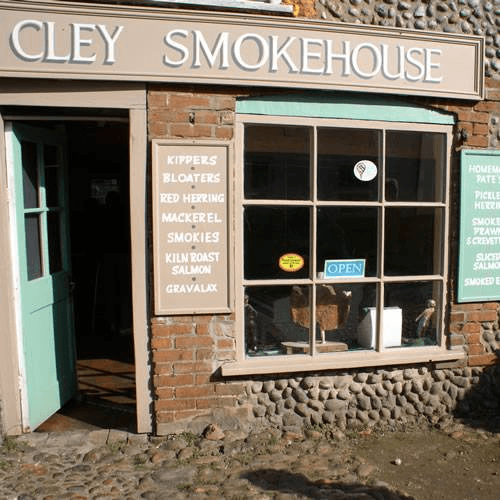
Cley Smokehouse, Cley-next-the-Sea
Yes, North Norfolk gets one slot because it has earned one. Cley Smokehouse has been producing smoked fish, shellfish, cured meats and homemade pâtés for more than 30 years from Cley-next-the-Sea.
This is the kind of coastal food stop that still feels properly Norfolk, not just something priced for people who forgot to pack lunch.
That is the start, not the final list.
Now we want the reader version.
Where in Norfolk still feels worth it?
Norwich, Dereham, Thetford, King’s Lynn, Great Yarmouth, Fakenham, Cromer, Sheringham, Diss, Wymondham, Aylsham, North Walsham, Downham Market send us the place, what you go for, what it roughly costs, and whether you’d go back.
Because “worth it” is the only local review that really matters. |
 |
The GP Appointment Feels Different When The Bus Is The Problem Too |
A GP appointment is not just an appointment if getting there is half the battle.
For some Norfolk residents, especially in villages and smaller towns, health access is not only about whether the surgery has capacity.
It is transport, timing, parking, buses, phone systems, online forms, pharmacy access and whether someone can take time off work or find a lift.
An older resident from Aylsham told us:
“People say just book in. They don’t think about how you get there.”
That statement really matters.
In Norwich, a pharmacy or surgery may be a short bus ride, walk or drive.
In a village outside North Walsham, Fakenham, Swaffham or Dereham, the same appointment can mean checking the bus, asking someone for a lift, paying for a taxi, or trying to fit a callback around work.
Digital access can help some people.
Pharmacy services can help some people.
Telephone triage can help some people.
But a rural county needs systems that understand real life.
A form is not always easier. A callback is not always convenient. A pharmacy is not useful if it is miles away and the bus does not work.
Before contacting a surgery, the practical things matter: write down when symptoms started, what has changed, what you have already tried, whether anything is getting worse, and whether transport affects when you can actually attend.
Healthcare access is not access if the route there does not work.
Where are you based, and what makes getting healthcare harder there? |
 |
When Did Fish And Chips Stop Feeling Like A Cheap Day Out? |
Fish and chips by the Norfolk coast can be one of life’s simple joys. Until the total bill makes everyone slightly less relaxed.
Cromer, Sheringham, Wells, Hunstanton, Great Yarmouth people expect seaside food to cost a bit more.
Nobody is demanding 1998 prices and a handwritten apology from the fryer.
But there is a point where “treat” becomes “family finance meeting”.
A family of four buying two adult fish and chips, two children’s portions, drinks and maybe an extra side such as peas or gravy can easily turn a quick seaside lunch into a £40–£55 stop before parking, ice creams or the emergency bucket-and-spade negotiation.
A family from Norwich told us they had a lovely coastal day out, but lunch pushed the whole trip from casual to considered.
“It was good. But it wasn’t something we’d do without thinking now.”
That is the modern local food test.
Not cheap. Not fancy. Worth it.
A café, chippy or seaside restaurant can absolutely justify a higher spend if the food is good, portions are fair, service is decent and nobody leaves feeling short-changed by a paper box.
The places that will win loyalty this summer are not necessarily the ones with the best view.
They are the ones locals would actually go back to when nobody is visiting.
If a seaside lunch now costs £40–£55 for a family, it has to feel worth the trip not just convenient because everyone was hungry.
Tell us where you found was worth the money and roughly what you paid. |
 |
Busy In August Doesn’t Pay January’s Bills |
A café worker from Cromer told us people often assume coastal businesses are fine because they see the busy weeks.
That is like judging a whole year by a sunny Saturday.
Norfolk’s seasonal businesses live a very different rhythm.
A July weekend in Cromer, Sheringham or Wells can mean queues before lunch, full outside tables, staff on their feet all day, toilets being asked to perform miracles and customers arriving in waves.
Then January arrives.
Shorter days. Fewer visitors. Local customers watching their own spending. Heating bills. Staffing decisions. Rent. Repairs. Insurance. Quiet weekdays.
A full August does not automatically pay January.
This is where the “tourism is good for the coast” argument needs more detail.
Yes, it brings money. Yes, many businesses rely on it. But uneven trade is hard.
It means businesses need to make enough in the strong months to survive the weak ones, while still being affordable enough that locals do not feel priced out.
Ask anyone who has run a coastal café, pub or shop and they’ll tell you the same thing: a packed August weekend is only useful if it helps carry the quiet Tuesdays in January, the staff costs, the stock that didn’t sell and the bills that arrive whether customers do or not.
Tourism may fill the tables. It does not smooth the year.
If you run or use a local business, what does winter really look like where you are? |
 |
Norfolk By Numbers |
A quick reality check from the data desk before anyone blames everything on the seagulls.
£286,000: average house price in North Norfolk in February 2026, according to the latest ONS/Land Registry local housing data. That was down 5.5% from February 2025.
So yes, prices may have cooled, but that does not magically make Wells, Cromer or Sheringham affordable for the people working there.
£306,000: average house price in South Norfolk in February 2026. That was broadly flat year-on-year, which is estate-agent language for “nobody is quite sure whether to celebrate or worry yet.”
£1,641: Ofgem’s typical annual dual-fuel direct debit price cap for April to June 2026.
That is £117 lower than the previous quarter, but still enough to make older, draughty homes feel less romantic by February.
76.6%: Norfolk’s employment rate, according to the latest Nomis labour market profile. That is slightly above the Great Britain figure shown there, but anyone in hospitality, care or rural transport will tell you “employed” and “comfortable” are not the same thing.
£100m–£250m: the listed cost range for the A47 North Tuddenham to Easton dualling scheme, with National Highways showing a 2026–27 end date. Norfolk has turned “when will the A47 be sorted?” into a multi-generational conversation.
Around 1,800 homes: the scale referred to in North Walsham West planning material, with a link road intended to connect Norwich Road and Cromer Road.
New homes may help, but homes do not arrive alone. They bring cars, school applications, GP registrations and delivery vans with them.
£40–£55: a realistic family-of-four seaside fish-and-chips stop once you add adult portions, children’s meals, drinks and the “fine, yes, one extra side” moment. Not official data. Just the bit your bank app understands.
One dodgy recall: all it takes to turn a peaceful Norfolk walk into public theatre.
Beaches, pub gardens and picnic spots are brilliant until “he’s friendly” starts sprinting towards someone else’s sandwich. |
 |
The School Run That Isn’t Really A School Run |
In parts of Norfolk, the school run is not a run.
It is a route, a timetable, a fuel cost, a work negotiation and occasionally a small act of endurance.
A parent from Swaffham told us the distance itself is not the only problem. It is the knock-on effect.
Clubs. Childcare. Buses. Siblings at different schools. Missed activities. Later evenings. More driving. Parents working around pick-ups.
Children tired before homework even starts.
A school place that looks fine on paper feels different when it means a 25-minute drive from a village near Swaffham, a second child at a different school near Dereham, and no useful bus home after an after-school club.
School choice sounds simple when people talk about performance tables. Real families know it is messier.
A “good school” may be too far.
The nearest school may not have the right place.
A bus route may work on paper but not with a parent’s shift.
A college course may be available, but only if the transport makes sense.
The sensible move is to check the daily routine before falling in love with the school.
The bus route, club pick-up, sibling logistics, childcare gap and 4pm traffic matter just as much as the open evening speech.
The school run is where good intentions meet the clock.
How far does school, college or childcare take you each week and does the journey shape your choices? |
 |
King’s Lynn And The Roadworks That Seem To Move Slower Than The Cones |
Every area has a set of roadworks people start treating like local furniture.
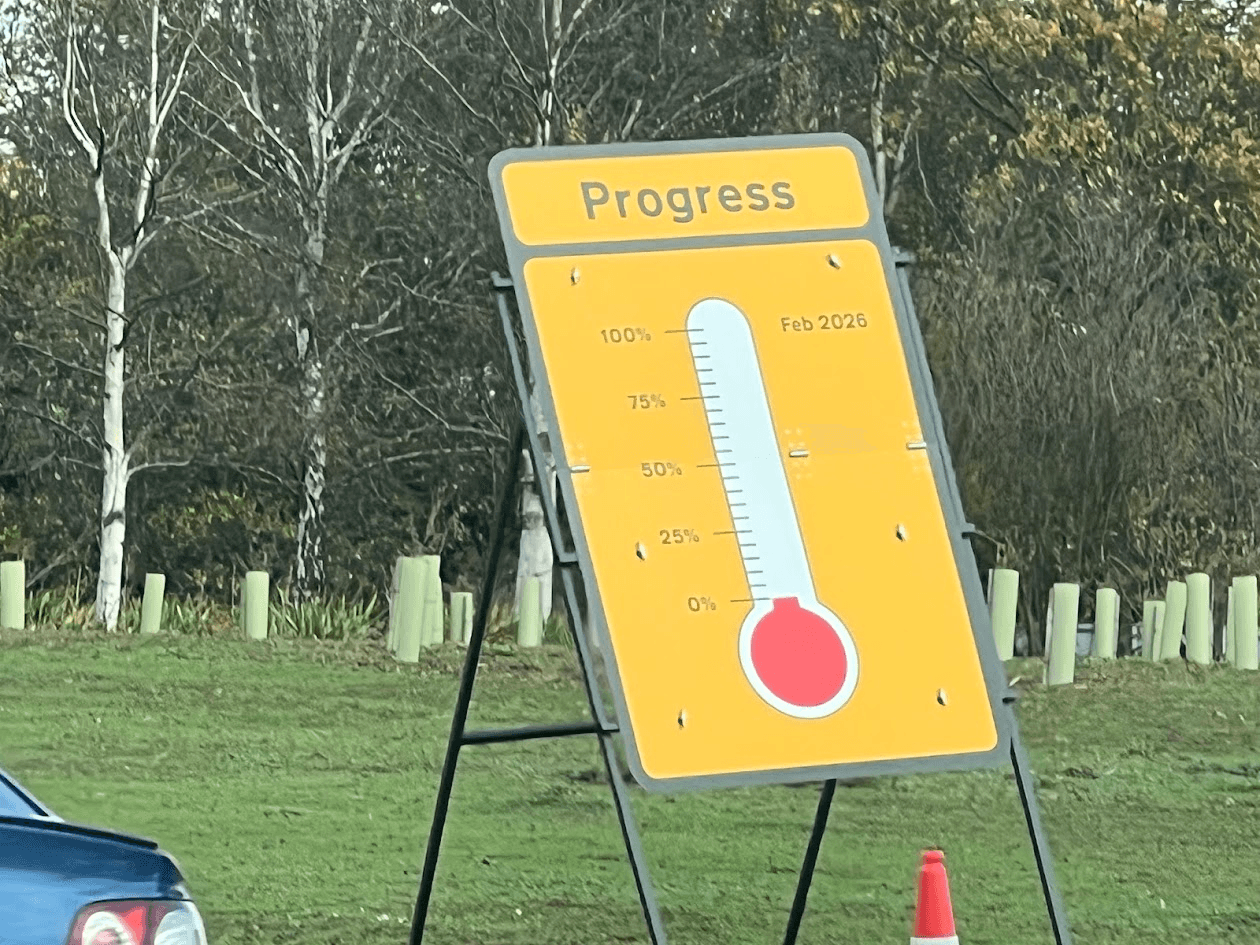
King’s Lynn has had more than enough moments where people look at cones, temporary lights, diversions and half-finished routes and think: is anything actually changing, or are we just learning to live around it?
A resident from King’s Lynn told us: “The cones feel permanent. The progress doesn’t.”
That is the frustration.
Roadworks can be necessary. Nobody sensible thinks roads repair themselves overnight. Drainage, utilities, junctions, resurfacing and safety work all take time.
But locals judge progress by what they can see and whether the disruption feels proportionate.
For King’s Lynn, that means “roadworks” not just as an abstract thing, but whether traffic around Gaywood, Hardwick, the A149, the A47 approaches, town-centre routes and school-run pinch points actually feels better when the cones go.
A town can tolerate works if there is a clear improvement at the end.
It is harder when people feel trapped between delays, unclear timelines and the same old pinch points waiting for them afterwards.
A roadwork sign is not a plan locals can live on.
What local works near you feel stuck and what would count as visible progress? |
 |
Fewer Councils, Better Services — Or Just New Headed Paper? |
Norfolk is heading through one of those government changes that sounds huge and somehow still manages to bore normal people within twelve seconds.
Local government reorganisation.
Norfolk County Council says that, subject to parliamentary approval, Norfolk’s existing eight councils will be replaced by three new unitary councils from April 2028.
West Norfolk Council says the Government decided on 25 March 2026 that three unitary councils is its chosen way forward for Norfolk.
The local question is simpler.
Will bins, roads, planning, social care, housing, libraries, parking, potholes and local services actually work better?
A resident from Dereham said: “I don’t care what they call the council if nobody fixes the thing I rang about.”
That is not apathy. That is accuracy.
People do not live inside structure charts. They live inside services.
Maybe fewer councils makes things clearer. Maybe it saves money.
Maybe it reduces duplication.
Or maybe residents get new logos, new email addresses, new boundaries and the same old wait for someone to take responsibility.
The proposed map matters locally too.
Future Norfolk describes the model as three unitary authorities: East Norfolk, West Norfolk and Greater Norwich.
That is the sort of detail residents will eventually feel in planning, council tax, service contacts and who gets blamed when something goes wrong.
New headed paper does not fix old problems.
Which local service needs fixing before anyone redraws the map? |
 |
Norfolk Is Dog Heaven — Until Recall Becomes Everyone Else’s Problem |
Norfolk is a brilliant place to own a dog.
Beaches, woods, fields, village lanes, parks, long walks, pubs with water bowls, and enough fresh air to make even the laziest spaniel briefly believe it is descended from wolves.
But dog-friendly only works if dogs are manageable.
A dog owner from Hunstanton told us the worst phrase on a walk is still:
“It’s okay, he’s friendly.”
Usually shouted while the dog in question is enthusiastically proving that friendliness is not the same as under control.
Summer makes this worse. More visitors, more children, more picnics, more nervous dogs, more livestock routes, more beach rules, more chances for bad recall to become everyone’s problem.
Think of Holkham, Wells, Brancaster, Cromer, Sheringham Park, Thetford Forest, Bacton Woods and village footpaths where dogs, children, bikes, wildlife and sandwiches all meet.
Raimonda, our resident dog trainer, is giving Norfolk Spotlight readers FREE access to Smarter Paws Hub, her digital training hub for building better dog habits at home.
For Norfolk dog owners, that means practical help with recall, lead manners, calm greetings and knowing when off-lead is not the right choice before summer makes every problem more public.
This is not about making every dog perfect. It is about making public spaces easier for everyone.
A dog that listens only when nothing interesting is happening does not really have recall. It has a hobby.
Get Free Access To Smarter Paws Hub
What dog habit would you fix before summer? |
 |
Norfolk Common Sense Test: Summer Edition |
Time for a quick Norfolk common sense test.
You are heading to the coast on a sunny weekend. Do you:
A) Leave early, check parking, book food, pack water and accept that everyone else has also noticed the weather.
Jane and David from Wymondham said Norfolk summer days are
“lovely if you plan them and expensive if you freestyle them.”
That is painfully accurate.
Summer Norfolk is not bad. It is just not effortless.
Parking fills. Tables book up. Toilets matter. Dogs need water. Beaches have rules.
The best spots go early. And “we’ll just grab something” becomes dangerous once everyone else has had the same thought.
This applies from Cromer to Wells, Hunstanton to Great Yarmouth, and half the Broads on a hot weekend.
Score yourself one point every time a local problem was supposedly solved with another sign.
Take two points off if the sign was ignored by everyone it was meant for.
Norfolk in summer is beautiful. It is also family admin with a sea view. |
 |
The Norfolk Homes That Cost More To Heat Than People Expect |
Older Norfolk homes have charm.
The heating bill is where the romance gets tested.
A homeowner from Diss told us the bill was not a surprise exactly. It was more the feeling that the house kept eating warmth and asking for seconds.
Rural Norfolk has plenty of homes where heating is not as simple as turning the thermostat and hoping.
Older cottages. Oil heating (yikes). Poor insulation. Awkward layouts.
Single-glazed corners. Extensions from different decades. Big rooms. Cold floors. Tanks, deliveries and systems people inherit rather than choose.
The property listing may say “character”.
The bill may say “bring a jumper”.
A draughty cottage outside Diss with oil heating behaves very differently from a newer semi in Norwich.
The viewing tells you about beams and character. The first winter bill tells you the rest.
Before buying or renting an older Norfolk home, ask for the winter version of the truth: fuel type, last February’s bill, insulation, cold rooms, EPC rating and whether the pretty fireplace actually helps.
The coldest part of a Norfolk home is often the bit the viewing didn’t mention.
If you’ve been caught out by heating costs, reply with the area and what surprised you. |
 |
Visitors Want Easy Parking. Locals Want To Get On With Their Day |
Parking is where the visitor economy becomes very real.
In Wells, Cromer, Blakeney, Great Yarmouth, Sheringham and plenty of smaller coastal places, a sunny day can turn routine local life into a negotiation.
Visitors want easy parking. Locals want to get to work, shop, attend appointments, walk the dog, see family and not feel like their own town has become a ticketed obstacle course.
A resident from Wells told us: “You learn to do normal things at odd times.”
That line says a lot.
Arrive in Wells after late morning on a sunny summer weekend and the day starts becoming a parking strategy.
Cromer on a busy event day is similar.
Blakeney can feel like the whole village is being asked to absorb a visitor economy through narrow roads and limited space.
Tourism brings money. Nobody serious denies that.
Cafés, pubs, shops, attractions, accommodation and seasonal jobs all depend on people coming.
But the pressure lands unevenly.
Parking, toilets, bins, queues, driving, beach access, narrow roads and local patience all get tested.
And when residents complain, they can sound anti-visitor.
Often they are not. They are asking for the place to work for the people who live there all year.
A good visitor economy should not make locals feel like extras in their own town.
Where does parking become the whole story near you? |
 |
The Back Pain People Keep Calling “Just Getting Older” |
Norfolk has a lot of people blaming age for things inactivity started.
Driving. gardening. caring. sitting. lifting. dog walking. DIY. awkward jobs around old houses. long shifts. bad chairs. doing nothing all winter, then doing everything in one weekend because the sun came out.
A reader from Aylsham told us:
“I keep saying it’s just age, but I’m not sure age explains why I can’t get off the sofa properly.”
Fair point.
Back pain and stiffness often live in the space between “not serious enough to panic” and “annoying enough to change your life”.
People stop walking as far. Avoid stairs. stop gardening. sleep worse. move less. Then moving less makes everything worse.
The sensible question is not “am I getting old?” It is: what has changed, what keeps flaring up, what makes it better, what makes it worse, and is it stopping you doing things you still want to do?
For drivers, carers, gardeners, dog walkers and desk workers doing long Norwich commutes, the warning signs are often boring before they are serious: stiffness getting worse, pain that keeps returning, avoiding certain movements, poor sleep, or a “small niggle” that has somehow lasted three months.
“Getting older” should not become a polite name for giving up things you still want to do.
What ache, stiffness or movement problem are you putting up with? |
 |
The Pub Looks Busy. That Doesn’t Mean It’s Safe. |
A pub regular from Fakenham told us the mistake people make is judging a pub by Saturday night.
“Of course it looks busy then. Come back Tuesday.”
Exactly.
Norfolk pubs can look safe in summer. Full gardens. visitors. dogs under tables. Sunday roasts. music nights. pints outside. holidaymakers asking if anywhere has a table.
Then winter arrives and the maths changes.
Fewer visitors. higher energy. staffing costs. food costs. rent. maintenance. locals watching their own budgets.
Quiet nights that still need heating, wages and lights.
A village pub near Holt, Fakenham or Aylsham might look thriving on a sunny weekend and still be fighting the numbers from Monday to Thursday.
A coastal pub near Wells or Cromer might have queues in August and a much harder conversation in February.
A pub can be loved and still not be used enough.
That is the bit people forget when one closes and everyone says, “But it was always busy when I went.”
Maybe it was. When you went.
A full pub garden in August does not pay every January bill.
Which Norfolk pub still feels worth the money and what keeps you going back? |
 |
The Norfolk Find That Made The Week Better |
A reader from Holt once described the perfect local find as
“the thing you immediately tell someone about for no sensible reason.”
That is exactly what we want.
A charity shop jacket. A local repair. A café that didn’t overcharge. A farm shop shelf that beat the supermarket. A butcher who gave proper advice.
A bookshop find. A plant stall. A cobbler. A tiny local service that solved a problem without making a drama of it.
These small wins matter more when life feels expensive.
They are not glamorous. They are useful. And useful is currently underrated.
Norfolk has plenty of places where the good stuff is not shouted about.
Holt, Fakenham, Aylsham, Dereham, Wymondham, North Walsham, Sheringham, Cromer, King’s Lynn, Norwich lanes, village shops, farm shops, community shops, repair cafés, charity shops and independents that survive because people know, use and recommend them.
This is not about free advertising.
It is about local knowledge doing what local knowledge does best:
spreading from one person to another. If it saved money, time, hassle or mild despair, it counts.
Send us a quick note on the place, what you found, and why it helped you.
Bonus points if it made you unnecessarily pleased with yourself. |
 |
What Norfolk Day Out Is Actually Worth The Drive? |
A Norfolk day out can be brilliant.
It can also become petrol, parking, snacks, entry fees, ice creams, “can we get one of those?”, and a car full of people pretending not to calculate the total.
The Broads. The coast. Market towns. Family attractions. Gardens. Nature reserves. Museums. Boat trips. Beaches. Cafés. Farm parks.
Walks that are free until everyone needs lunch.
The Dicksons from Norwich told us their rule now is simple: “Was it worth the drive and would we do it again?”
That is the test.
Not whether it looked nice online. Not whether the photos were pretty.
Not whether the children smiled once near the car park.
Would you go back?
A day out from Norwich to Cromer or Wells is not just the attraction. It is fuel, parking, food, toilets, travel time and whether everyone is still speaking by the time you get home.
A trip from King’s Lynn to the Broads, or from Thetford to the coast, has the same test.
A good day out does not need to be cheap.
It needs to feel fair.
Here's your chance to nominate a Norfolk day out that did or absolutely did not justify the spend. |
 |
Thetford Does Not Need To Wait For Norwich To Have A Night Out |
Not every Norfolk night out needs to point towards Norwich.
That matters more than you might think (if you don't live in Norwich)
Thetford, King’s Lynn, Dereham, Fakenham, North Walsham, Great Yarmouth, Cromer and plenty of other places have people who want music, comedy, quizzes, community events, small gigs, food nights, family sessions and reasons to leave the house without turning the evening into a full operation.
Martina a reader from Thetford told us:
“People say nothing happens here, then miss half the things that do.”
That is a local problem worth exploring?
Sometimes places genuinely lack events. Sometimes they lack promotion.
Sometimes the venue exists, the audience exists, and the connection between the two is terrible.
This is where a simple local “what’s worth knowing this week?” list can be more useful than another glossy events poster.
What is it? Who is it for? What does it cost? Is it family-friendly? Can you park? Do you need to book? Will it feel awkward if you turn up alone?
Local culture does not always need a grand stage. Sometimes it needs people to know it exists.
Tell us the local event or venue in your area more people should know about. |
 |
The Norfolk Bill That Made You Say “How Much?” |
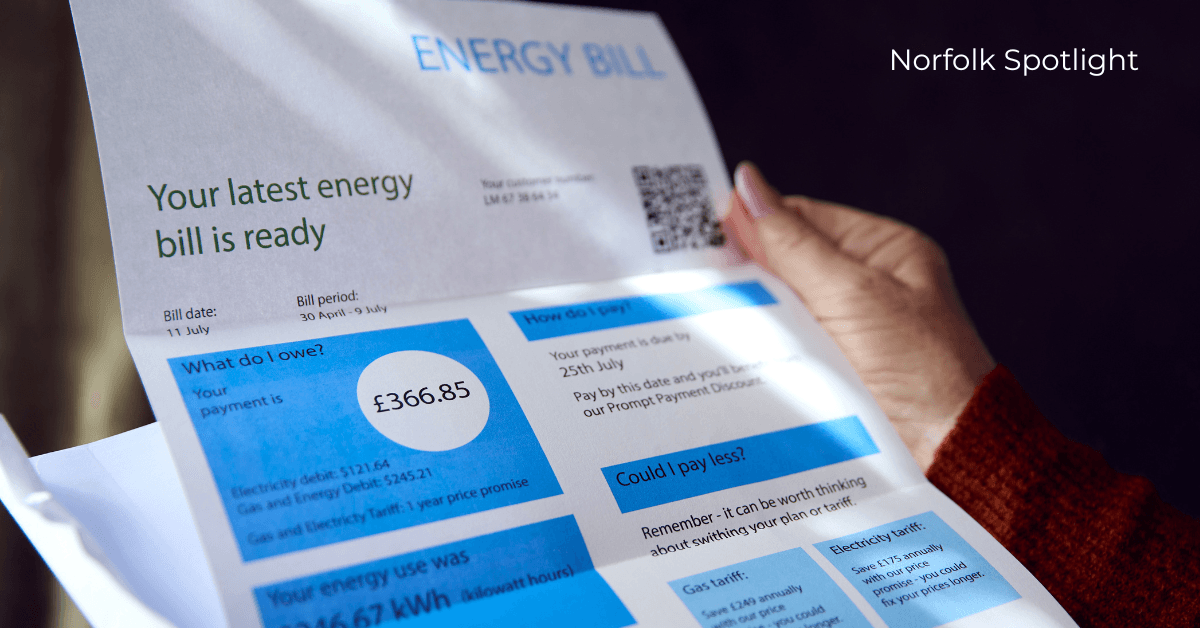
We’re starting Norfolk Bill Watch.
Not as a misery wall. Not as a competition. Just a way to spot what is actually hitting households across the county.
Energy. Heating oil. Insurance. Water. Food. Rent. Mortgage. School transport. Car repairs. Vet bills. Broadband. Subscriptions. Care costs. Fuel.
One bill can be annoying. Five at once changes how people live.
The useful replies are simple:
What was the bill?
Did you switch? Challenge it? Cut something else? Ignore it for a week because life was already annoying enough?
The point is not to shout into the void.
The point is to build a local picture from real households.
Which Norfolk bill made you take a quick gasp for air this month? |
 |
Where Do You Actually Go Back To? |
The best local recommendation is not “it was nice”. It is:
“I’d go back.”
That is the line that matters.
A restaurant can look good once. A café can have one strong visit. A pub can catch you on the right day. A farm shop can feel charming until the bill has other ideas.
Where do you take visitors?
Where do you go when you don’t want to risk being disappointed?
Where serves the thing you order every time?
Where treats locals well even when tourists are queuing?
Where is still worth it after the novelty has gone?
This is useful because Norfolk has a lot of places that look good from outside.
We want to know about the places that hold up after the first visit.
A reliable answer might be a bakery in Holt, a pub outside Fakenham, a chippy in Sheringham, a café in Aylsham, a farm shop near Walsingham, a Norwich lunch spot, or a place in King’s Lynn that locals use even when nobody is making a day of it.
Pretty is not the same as reliable. Tell us the place, what you usually order, and why you return again and again. |
 |
Is Norfolk Changing For Locals, Visitors, Or Developers? |
So here's a QUICK POLL FOR YOU
When you look at Norfolk right now, does it feel like change is mostly happening for:
1.Locals
There is no perfect answer.
New homes can help locals and strain services.
Tourism can support jobs and make daily life harder.
Developers can build needed homes and still leave people wondering where the school places, roads and GP capacity are.
Council reform can promise efficiency and still leave residents asking whether anything practical changes.
That is why the question matters.
Norfolk is not one place with one problem. Norwich is not Wells. King’s Lynn is not North Walsham. Thetford is not Cromer. A village without a bus is not the same as a packed seafront in August.
But the same feeling keeps appearing: change is happening, and locals want to know who it is really serving.
Vote and tell us what made you choose that answer.
One sentence is enough.
A small rant is also acceptable if it has specifics. |
 |
This Works Best When Norfolk Talks Back |
This issue started with a simple thought:
Norfolk is beautiful, but local life is not always easy.
That is not moaning. It is being honest.
This week we looked at the A47, North Walsham growth, coastal housing, rural bills, GP access, fish and chips value, seasonal business, school transport, King’s Lynn roadworks, council reform, dog recall, heating costs, parking, pubs, local finds, day trips and the question of who Norfolk is changing for.
Next week, we’ll follow the replies.
We want the roads people dread. The bills that made households take that sharp intake of breath.
The coastal places where locals feel squeezed.
The pubs that still feel worth it. The day outs that justify the drive.
The GP access stories. The local finds. The community people doing the work nobody notices.
If you know someone in Norfolk who would actually read this, forward it. Not because we need another empty subscriber number.
Because this works best when local people talk back.
Reply any time.
We read every response. This is not a no-reply address, and it never will be.
From the team at Norfolk Spotlight |
|