

The Norfolk Decisions That Sound Boring Until They Hit Your Street |
Some local stories arrive wearing sensible shoes.
Council structures. Road schemes. Planning notices. Infrastructure projects. Rent letters. Mortgage renewals. Regeneration updates. Service changes.
Very official. Very easy to ignore.
Until one of them changes your road, your rent, your school run, your pub, your town centre, your view, your bill, your business costs, or the number you have to ring when something goes wrong.
That is this week’s Norfolk Spotlight.
Not a county-wide mood piece. Not a postcard version of Norfolk.
This week is about the decisions and delays that move from meeting rooms into ordinary Norfolk life.
Because a council map is not just a council map if your bin still needs collecting.
A road upgrade is not just a road upgrade if you are the one sitting in the queue.
A planning row is not just a planning row if the pub, field, square or high street matters to your area.
A rent rise is not a housing-policy debate when it lands in your inbox.
This week we’re asking four simple questions:
Who gets told early?
Let’s get into it. |
 |
The Council Map Is Changing. The Bin Still Needs Collecting. |
Norfolk is heading for one of those changes that sounds enormous and dull at the same time.
Local government reorganisation.
The proposed new councils are West Norfolk Council, East Norfolk Council and Greater Norwich Council.
That sentence may make most people’s eyes slide off the page.
But the consequences are not abstract.
For residents, the question is not “does the model look efficient?” It is:
Who fixes the road?
A household in King’s Lynn may hear “West Norfolk Council” and wonder if the west finally gets a sharper voice. Someone in Diss or Long Stratton may wonder whether new boundaries make services clearer or more remote.
A Norwich resident may ask whether “Greater Norwich” helps housing and transport, or simply creates a larger machine with a smarter label.
The risk is that the public is asked to trust the structure before the service improves.
People have heard promises about efficiency before.
They have also reported potholes twice, watched planning rows drift, waited on hold, chased a council reply, and wondered why something simple needs three departments and a calendar reminder.
So here is the Norfolk version of the question:
What should the new councils prove first?
Not in a slogan. In daily life.
Faster road updates?
Reply COUNCIL with the one service you would worry about first if the council system changes. |
 |
The Election Delay Row Shows Why Process Still Matters |
The council reorganisation argument would be big enough on its own. Then came the election row.
In January, Norfolk County Council said the government had decided county council elections would not take place that year, so the council could focus on devolution and local government reorganisation.
That is the sort of timeline that makes residents suspicious even before anyone starts waving party colours around.
This is not about telling people which side to take. It is about trust.
Because from the outside, the public saw a vote paused, then restored, while the local government system was being redesigned.
Officials may see capacity, sequencing and governance. Residents see rules shifting during a major local power change.
And when people already feel services are stretched, the wording matters.
If a protest, by-election, meeting or public objection is described as wasteful, inconvenient or badly timed, many residents do not hear a budget argument.
They hear: “Your chance to object is annoying.”
That lands badly.
For someone in Norwich, Thetford, Fakenham, Great Yarmouth or Dereham, democracy is not just polling day.
It is the feeling that a decision has not already been settled before the public is invited to react.
A council can be legally correct and still sound tone-deaf.
That is the lesson here.
When big structures are changing, public language has to be careful. People are not short of opinions.
They are short of confidence that those opinions will change anything. So here’s the question:
The issue is not which party benefits. The issue is whether residents feel the rules, timetable and explanation are clear enough when the structure of local power is changing.
If councillors had to answer one local question directly, no spin, what would you ask?
Send your question and where you’re based across the county. |
The Road Notice Nobody Reads Until It Ruins The Morning |
Norfolk road updates have a habit of sounding harmless until you meet the diversion.
The A47 between Blofield and North Burlingham is now fully open, with National Highways saying the new dual carriageway opened in May 2026.
Work continues on local roads, cycle paths and landscaping. That is good news.
But Norfolk drivers know one completed section does not make the whole county feel fixed.
The A47 between North Tuddenham and Easton is still being upgraded to dual carriageway, with National Highways listing a 2023–24 start, a 2026–27 end date and a £100 million to £250 million cost range.
For the project page, that is progress.
For a driver heading between Dereham and Norwich, or trying to get across Norfolk for work, school, a hospital appointment or a delivery slot, the question is simpler:
What does this do to my day?
A road scheme is judged locally by what it costs people before the benefit finally arrives.
Ten minutes here.
Progress is easy to promise when someone else sits in the queue.
So rather than another general A47 grumble, we want to build something sharper: a Norfolk Road Delay Map based on reader reports.
Send us:
Start with A47, A11, A140, or your local road that deserves a warning label. |
 |
The Five-Minute Roadwork Check Before You Trust The Route |
Some journeys fail before you leave the driveway.
Not because you did anything wrong. Because Norfolk has a particular gift for putting roadworks exactly where the week is already tight.
A school run near Norwich.
For rural areas, one closure is rarely just one closure. It can mean a longer loop, a late bus, a tradesperson losing the first job of the day, a missed GP appointment or a parent arriving at school with the emotional range of a kettle.
Here is the pre-journey check worth saving:
The notice nobody reads becomes very memorable when it costs the morning.
Send us the road closure or junction that has hit you hardest recently: road, nearest town or village, time of day, and what it cost you. |
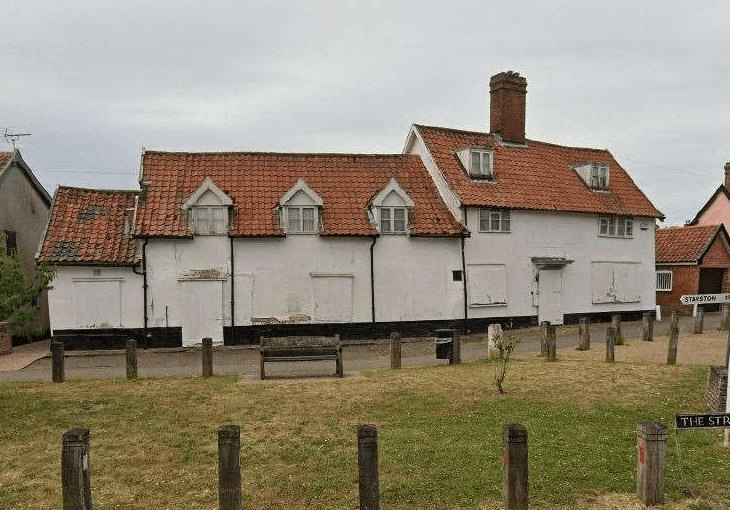 |
Pulham St Mary: When A Pub Becomes A Line In The Sand |
A village pub can become bigger than a building very quickly.
That story lands with locals because people understand what is really being argued over.
It is not only beer. It is memory, local identity, the walk past it, the village centre, the old sign, the feeling that a place still has something recognisable at its heart.
Even when a pub has been closed, tired or complicated for years, locals may still see it as part of the village’s face.
Planning officers may see a legal matter.
That is why these rows spread.
Norfolk has plenty of places where one building carries more emotional weight than its square footage suggests: old pubs, halls, former cinemas, chapels, market buildings, beach huts, clubhouses, libraries, high street corners and shops that locals still refer to by names they have not had for years.
None of that means every old building can be frozen in time.
Some need money. Some need a new use. Some need decisions that are harder than a Facebook thread makes them look.
But the mood changes when people feel a decision is being done to a place, not with it.
Which local building, pub, hall, shop, library, club or old high street spot would your town or village fight to save?
Tell us the place, where it is, and why it matters.. |
 |
Planning Rows Are Really Trust Rows |
Planning arguments rarely start with the building.
They start with the feeling that the decision has already run ahead of the people who will live with it.
A notice appears. A neighbour posts a screenshot. Someone mentions parking.
Someone else mentions drainage. Then suddenly half the village has become expert in traffic surveys, heritage, school capacity and bats.
The mistake is assuming objections are always anti-change.
Often they are anti-vagueness.
People will accept more when the trade-off is clear.
What they dislike is being told a plan is “sensitive” when the street can see the parking does not work, the junction already queues, or the promised local benefit is too soft to measure.
Before reacting to a planning row, check:
Seen a Norfolk planning issue grow from small notice to full local argument?
Send the area, what was proposed, and what changed the mood. |
 |
East Pye Solar: The Green Decision That Lands In Real Fields |
Solar farms are simple until the field is near your house.
East Pye Solar is a proposed solar and battery storage project near Long Stratton.
The Planning Inspectorate accepted the application for examination on 2 April 2026, and the project says its expected generating capacity exceeds 100MW, making it a Nationally Significant Infrastructure Project.
That puts it firmly in the “big decision, local impact” category.
The argument is not as simple as clean energy versus countryside.
People can support renewable energy and still worry about construction traffic, views, farmland, battery storage, wildlife, drainage, grid infrastructure and whether nearby communities get any direct benefit.
For households around Long Stratton, Pulham Market, Tasburgh, Hempnall or nearby villages, this is not an abstract national energy debate.
It is maps, access routes, consultation periods, examination deadlines and the question of whether the landscape changes permanently.
For others, the question runs the other way:
Get the latest updates here on East Pye Solar
If Norfolk says no to large renewable projects, where exactly should the clean power come from?
That is why the argument splits sensible people.
This week’s poll:
Would you support a large solar farm near you?
A. Yes, if it helps clean energy
Reply with A, B, C, D or E and your nearest town or village. |
Thetford’s Tune-Trail: Forest Gigs, Tribute Nights & What’s Next |
 |
Norfolk’s forest got musical in 2025 and Thetford was right in the spotlight.
The Forest Live series at High Lodge brought in Rag’n’Bone Man, James, The Script, Gary Barlow and turned pine trees and starlight into a concert frenzy
Over in town, The Carnegie rolled out its own hits: DS:UK (Dire Straits tribute) and Ubunye, among others.
And in local venues The Railway Tavern, Ex Service Club — tribute nights and live bands quietly made their mark.
It wasn’t all sold-out stadiums and laser shows. Some concert-goers grumbled: “Great gig, but parking took longer than the set.
” Others posted Instagram stories from marshes and forest paths lit by stage lights, calling it “epic Norfolk nights.”
This year we have to look forward to Mc Fly (17th June) , Nile Rogers and Chic (18th), Fat Boy Slim (19th), Snow Patrol (20th), UB 40 (21st)
Who would you love to see headline at High Lodge for 2027?
|
 |
The Rent Letter Does Not Care How Reassuring The Policy Sounds |
Renting is full of words that sound protective until the number changes.
The ONS local housing tool recorded average monthly private rent in Norwich at £1,146 in March 2026, up from £1,119 in March 2025.
Across the UK, the ONS said average private rents rose 3.5% in the 12 months to February 2026.
The lived version is someone looking at a rent increase and wondering whether to challenge it, absorb it, move, downsize, borrow, cut back or pretend it is fine until the next bill lands.
For a renter in Norwich, King’s Lynn, Great Yarmouth, Thetford or a village with very little choice, the issue is not only “what are my rights?”
It is “what happens if I push back and still need somewhere to live?”
A renter does not just need protection on paper. They need a route that feels safe enough to use.
Before reacting to a rent rise, check:
We’re collecting rent-rise examples for a Norfolk Rent Rise Reality Check.
Reply RENT with your town if a rent rise has changed your plans this year. |
 |
The Mortgage Letter That Turns Forecasts Into Family Decisions |
Mortgage talk always sounds calmer before it reaches your own house. Rates. Forecasts. Market movement. Affordability. Lender criteria.
Then the renewal letter arrives, and suddenly it is not “the market.” It is whether a family in Sprowston, Hethersett, Dereham, Fakenham, Wymondham, King’s Lynn or Thetford changes its plans for the year.
A £180, £240 or £350 monthly jump does not sit politely in a spreadsheet. It comes out of something.
Food shop. Savings. Car repairs. A child’s club. A weekend away. The bathroom job you were finally going to book.
A pub meal that becomes “maybe next month.”
And Norfolk households often have extra moving parts: longer drives, older homes, heating oil, patchier transport, two-car routines and family logistics spread across towns and villages.
Before a renewal catches you cold, check:
The mortgage letter is not only a finance document. It is a family decision wearing a bank logo.
We’re collecting reader interest for a Mortgage Renewal Shock Checklist.
Reply MORTGAGE if your deal ends this year or next and you want the checklist when it’s ready. |
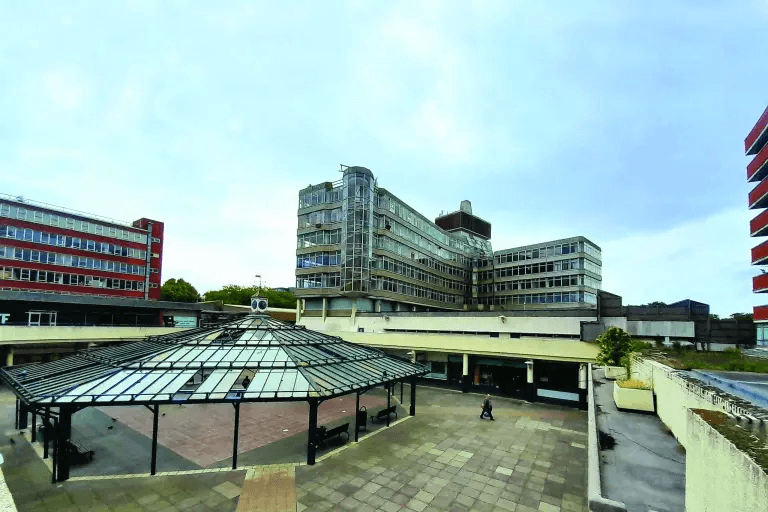 |
Anglia Square: Norwich Gets The Decision. Locals Live With The Gap. |
Anglia Square is not just a regeneration project.
It is a test of what “better” means.
The council also says demolition reached a major milestone in February and that 50% of homes in the first two phases will be affordable.
Those are big promises.
But locals do not judge regeneration by the phrase “major milestone.”
They judge it by the gap between what disappears and what actually arrives.
Anglia Square has always divided opinion.
Some saw it as tired. Others saw it as part of Norwich’s everyday texture: shortcuts, cheap shops, rough edges, memories, the kind of city space that did not feel polished into blandness.
For NR3, Magdalen Street, St Augustine’s and the wider city centre, the real questions are ordinary ones:
Can local people live there?
Norwich needs homes. It also needs places with soul and prices that do not make local life feel like a spectator sport.
The notice may say redevelopment. The reader question is sharper:
What would make you trust that Anglia Square is becoming better, not just newer? |
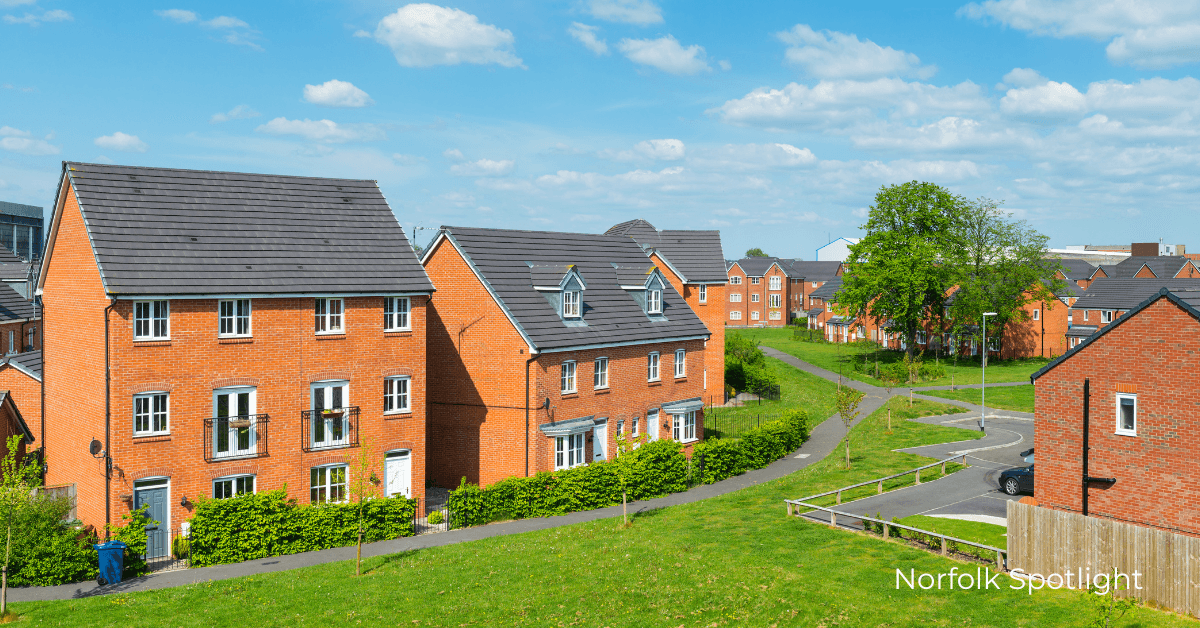 |
A New Home Should Not Arrive With A Complaints Folder |
A new-build home is meant to reduce hassle.
That is the promise.
Then some buyers get the keys, walk in, and find the snag list has beaten the welcome mat.
Doors that do not close properly.
That matters in growth areas around Norwich, Wymondham, Attleborough, Thetford, Dereham and King’s Lynn, because many buyers are paying a premium for “new.”
They are not expecting to become the aftercare department.
The worst part is often the chase.
Who owns the fix?
Before completion, keep a proper snag file:
And do the first walk-through slowly.
Excitement is lovely. Evidence is better.
Bought a new-build in Norfolk?
Send the first thing you found wrong, the town or development area, and whether it was fixed quickly.
Avoid naming individual staff but we would love to hear who is doing a good job and who is letting everyone down. |
 |
The Norfolk Cost That Catches People Out Is Often The Boring One |
The most annoying price rises are rarely the most dramatic. They are ordinary.
Fuel. Parking. Lunch. Children’s activities. Heating oil. A train fare. A modest pub meal.
A supermarket shop that somehow contains less food and more financial regret than last year.
Norfolk has its own version of this because travel is baked into so many routines.
A family near Fakenham may be driving for school, work, shopping and appointments.
Someone in King’s Lynn may compare fuel and food costs differently from someone living close to Norwich city centre.
A village household may pay less rent but spend more on transport. A coastal worker may have good summer weeks and leaner winter ones.
For many households, a normal week can quickly include example costs like:
The pressure is often ten small bills arriving in formation.
Send us the Norfolk price that made you check the receipt twice: item, price and town. Or Message us on our Facebook page Norfolk Spotlight
We’ll use the replies to shape a Norfolk Bill Watch in a future issue.
|
 |
Oil Heating Is The Norfolk House Question Buyers Forget To Ask |
A viewing tells you about beams, room sizes and whether the kitchen photographs well.
Winter tells you the rest.
Norfolk has plenty of homes where heating is not as simple as “turn up the thermostat and hope.”
Older cottages, converted barns, village houses, terraces with draughts, extensions from different decades, oil tanks, old boilers and insulation that may be more aspiration than reality.
A home near Holt, Diss, Swaffham, Fakenham or North Walsham can behave very differently from a newer place on the edge of Norwich or Thetford.
The estate agent may say character.
Before buying or renting an older Norfolk home, ask the unromantic questions:
We’re collecting questions for a Norfolk Home Heating Checklist.
Reply HEATING with the old boiler, oil tank, insulation or winter-bill question you wish you’d asked sooner. |
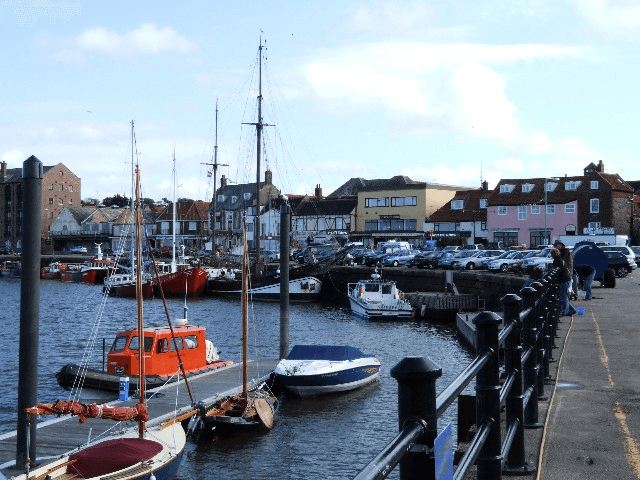 |
The Norfolk Venue Question: Is It Worth The Drive, The Parking And The Bill? |
A nice venue photo tells you very little.
The decision people actually make is more brutal:
Can we park?
Norfolk has endless places competing for attention: pubs, cafés, farm shops, garden centres, wedding barns, event spaces, beach stops, village halls, showground events and market-town lunch spots.
But residents are more selective now. A day out from Thetford to the coast, or King’s Lynn toward Norwich, is not a casual pop-over.
It is fuel, parking, toilets, food, booking, weather and whether everyone is still speaking by the time they get home.
Our Worth The Trip test:
A place earns a reader recommendation if it passes at least three:
Nominate one Norfolk place that passes the Worth The Trip test.
Send the name, town, what it is good for, and rough cost if you know it.
© Copyright Wendy Parkinson |
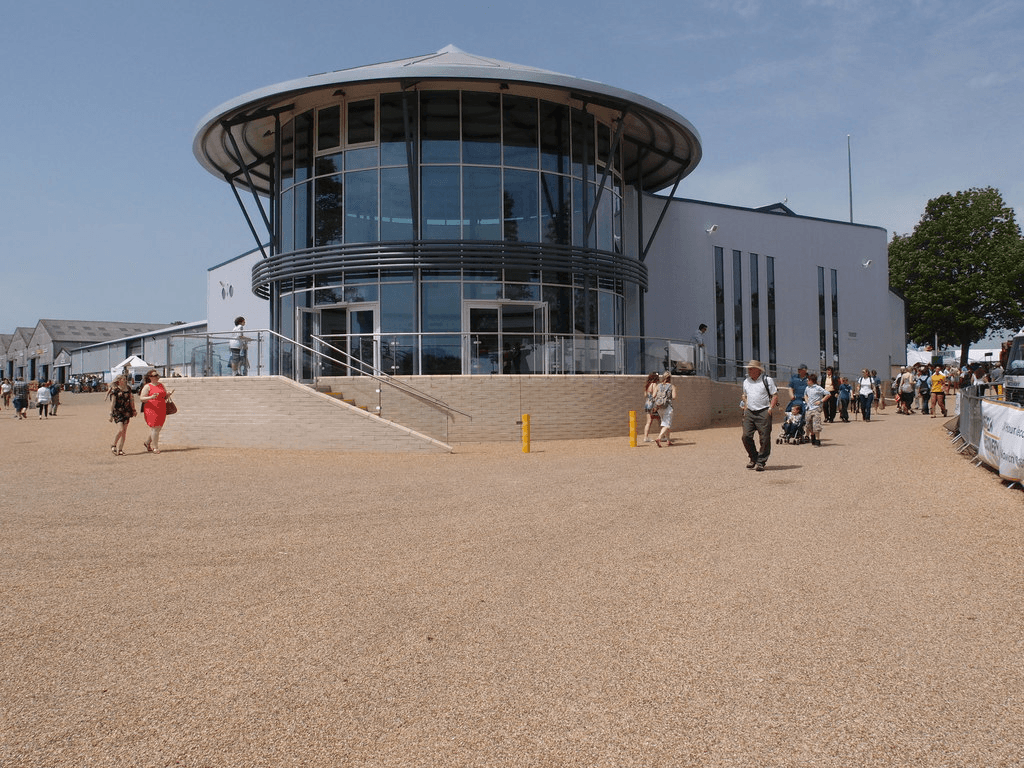 |
Norfolk Showground Still Has To Win The Journey |
Big venues do not matter because they are big.
They matter if people decide the trip, ticket, parking, food and weather gamble are worth it.
Norfolk Showground has a county-wide role because it can pull people from Norwich, Dereham, Wymondham, Fakenham, Thetford, King’s Lynn and beyond.
It sits in that category of place many people do not visit weekly, but still recognise as part of Norfolk’s event map.
The question for any large venue now is not “what’s on?” It is:
Will the event justify the journey?
Families and groups are more selective. They look at ticket prices, parking, food costs, queues, weather cover, toilets and whether there is enough to do once they are through the gate.
A family day can become £60–£120 surprisingly quickly after tickets, fuel, food and the inevitable “can I have one of those?” moment.
So event organisers need to answer better questions:
We want to build a Norfolk events filter readers can actually use.
What kind of event would make you drive 30–45 minutes without regretting it?
© Copyright Michael Trolove |
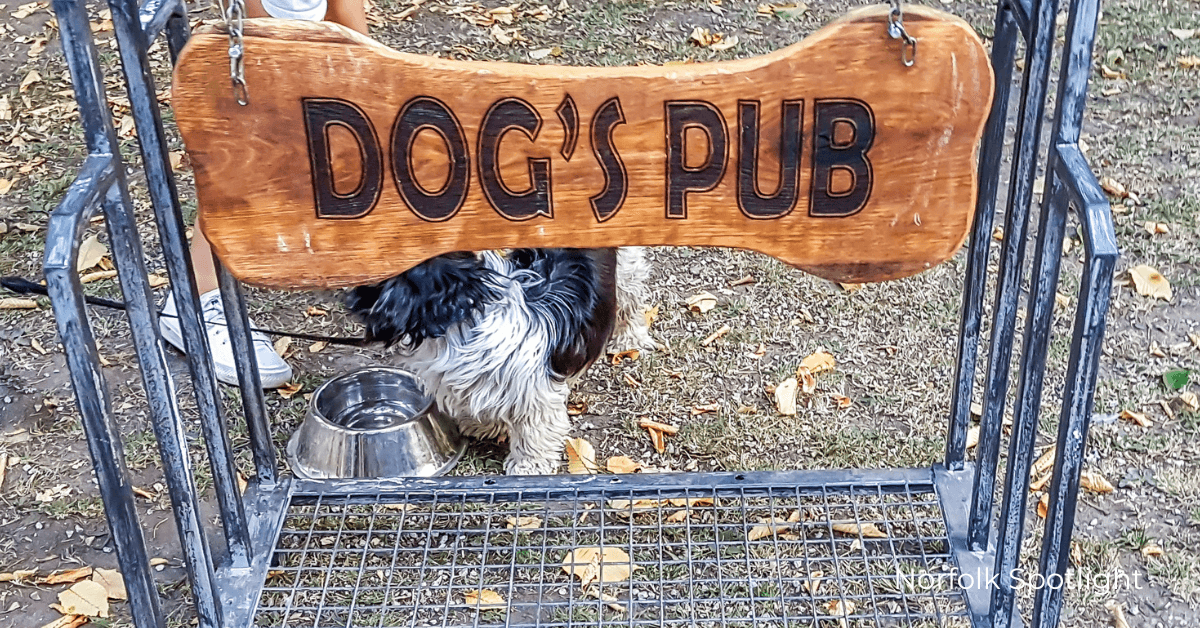 |
Pub Garden Dogs: The Summer Rule More Owners Need |
Dog-friendly places only work if dogs are manageable.
That is the summer rule.
A pub garden, café terrace, campsite, beach path or market-town pavement can be brilliant with dogs.
It can also become public theatre if one excited dog turns every table, child, nervous spaniel and sandwich into a group exercise.
The problem is not that dogs need to be perfect.
Nobody is perfect. Especially not spaniels.
The problem is owners mistaking “my dog is friendly” for “my dog is under control.”
Those are not the same thing.
Before taking a dog into a busy pub garden, café or holiday setting, ask:
Raimonda at Smarter Paws Hub is giving Norfolk Spotlight readers free access to her digital dog training hub, which can help with recall, lead manners and calmer public behaviour.
Reply PAWS if you want the Smarter Paws Hub link for recall, lead manners and calmer public behaviour.
|
 |
The Health Access Shuffle Nobody Has Energy For |
Health access is not one problem. It is a chain of small ones.
Try the GP.
In rural parts of Norfolk, the problem is often not just the appointment.
It is whether the appointment time works with buses, caring duties, shift work, parking and the person who has to drive you there.
For someone in Norwich, a pharmacy or appointment may be close enough to work around.
For a family in Great Yarmouth, Thetford, King’s Lynn, North Walsham, Diss or a village outside a main bus route, the same appointment can become a transport puzzle.
If you work shifts, callbacks are harder. If you care for someone, time windows matter.
If a child is unwell, “try again tomorrow” does not feel like a plan.
Keep this health-access checklist handy:
Which Norfolk health guide should we build first: GP appointments, dental access, pharmacy routes, physio/recovery, private options or children’s health?
Reply with the one you would use first.
|
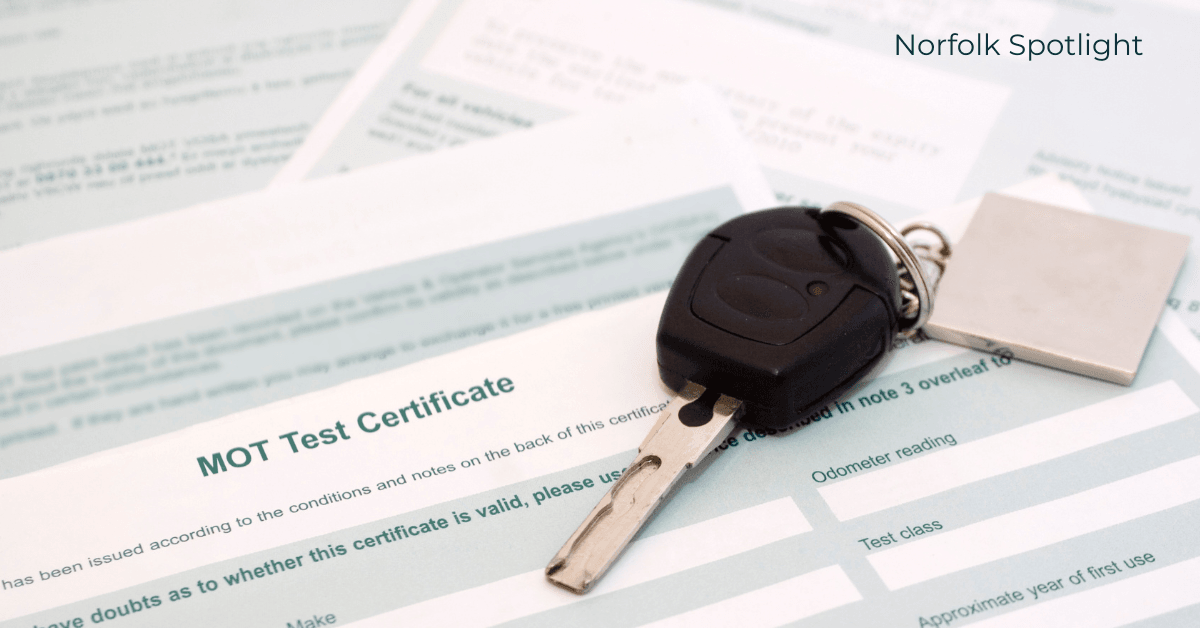 |
The MOT Fail That Feels Like A Stupidity Tax |
A lot of MOT fails are not dramatic.
Lights. Tyres. Wipers. Washer fluid. Warning lights. Number plates.
Mirrors. Things people could have checked before the test, meant to check before the test, or decided not to think about because the car still started.
Then the fail lands.
Repair bill. Retest. Changed workday. Childcare shuffle. A small speech in the garage car park that should not be printed.
In Norfolk, car problems hit harder because many people rely on driving. Outside Norwich, losing the car for a day can mean missed work, cancelled appointments, no school-run backup, no easy supermarket trip and a sudden reminder that public transport does not always care about your schedule.
Before your next MOT, do the five-minute check:
The Stupidity Tax is not always avoidable.
But washer fluid is pushing it.
What is the most annoying MOT fail you have had and could it have been avoided?
Send the fail and your town and where you are from. |
The School-Run Pinch Point That Was Never Built For This Many Cars |
School travel is where neat plans meet breakfast.
A route can look fine on a map and collapse at 8.25am when parents, buses, delivery vans, bikes, dog walkers, temporary lights and one badly parked car all arrive at the same bit of road.
Norfolk has plenty of these pinch points: Norwich suburbs, King’s Lynn estates, market-town primaries, village schools on narrow roads, secondary schools near commuter routes and rural areas where walking is not realistic because the road has no pavement and drivers treat it like qualifying.
The issue is not always bad driving.
Sometimes the road layout was never built for current housing levels. Sometimes new estates have arrived faster than safe routes.
Sometimes the school has sensible rules but nowhere sensible for the traffic to go.
A good school-run problem report needs detail:
We are starting a Norfolk school-run pinch point list.
Reply SCHOOL RUN with the road or area, what happens there, and what small change would help. |
 |
The Local Recommendation Thread Is Norfolk’s Unofficial Helpdesk |
Search engines are fine.
But when people need a garage, dentist, dog groomer, heating engineer, pub, builder, venue, driving instructor, tutor, physio or somewhere to park near an appointment, they still ask locals.
That tells us something important.
People do not only want options. They want judgement.
Who turned up?
Norfolk community groups often become informal advice desks because the internet does not always answer the real question.
Not “best near me.”
More like: “Who did you trust, and did they do what they said?”
This is where we want reader help.
Send us the local recommendation you give most often.
One business, person, place or service. Include:
You can also message us on our Facebook Page
We’ll use the strongest replies to spot the services, places and experts Norfolk readers keep asking each other for. One good recommendation beats ten vague search results.
|
 |
The Norfolk Business Cost Customers Don’t See |
Local businesses are often doing sums behind the smile.
A café owner in Dereham may be weighing food costs, wages, rent, card fees and whether customers still buy cake with coffee.
A tradesperson in King’s Lynn may be pricing jobs while fuel, materials and van costs shift.
A small retailer in Norwich may be counting footfall, parking habits and online competition.
A venue near the coast may have summer bookings and January bills in the same mental spreadsheet.
Customers see the price.
They do not always see the cost behind it.
That does not mean every price rise is fair.
It means the relationship between local businesses and customers is more delicate than it looks.
People still want to support independents. They also want to feel the spend makes sense.
So here is the sourcing question for local business owners, advisers, tradespeople, venue operators and service providers:
What do customers misunderstand about your costs, time or service?
Send us:
We may use the best replies in a future Norfolk guide.
Business owners, advisers, tradespeople and venue operators: send one cost, delay or customer misunderstanding people rarely see from the outside.
One sentence is fine. |
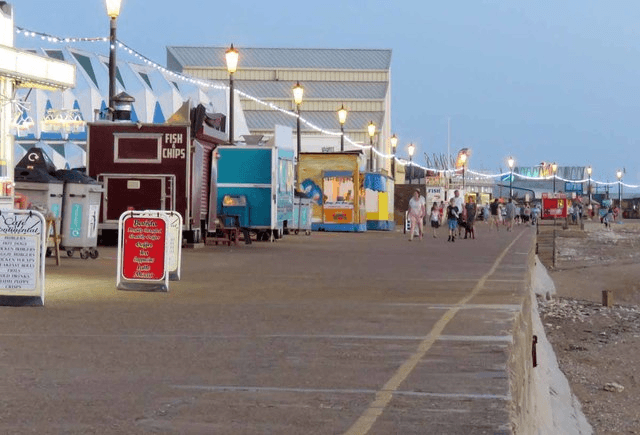 |
The Coastal Question This Week Is Not Housing. It Is Staffing. |
We are not doing another broad coastal housing piece this week. The sharper question is staffing.
Because a coastal place can look busy and still struggle to function behind the scenes.
A café, pub, attraction, care provider, hotel, shop or restaurant around Cromer, Sheringham, Wells, Hunstanton, Blakeney or Great Yarmouth needs people.
Not just visitors. People who can work shifts, get there, afford somewhere to live, and stay through winter when footfall drops.
A business can be full in August and still worry about who is working in February.
The staffing issue pulls everything together:
That is not anti-tourism. It is the part tourism depends on.
Visitors want cafés open, pubs staffed, rooms cleaned, attractions running, boats booked, care homes staffed, shops stocked and someone cheerful enough to serve coffee after hearing the same parking complaint 14 times before lunch.
That takes people who can actually live and work within reach. So this week’s coastal question is simple:
If you run, work in or rely on a coastal business, what staffing problem do visitors not see?
Send the town and the part people both locals and tourists misunderstand.
|
 |
The Norfolk Grumble Map: Which Problem Refuses To Die? |
Every area has one complaint that keeps coming back.
In one place, it is parking.
The interesting thing is not that people grumble. People have always grumbled.
The interesting thing is which problems keep returning because nobody appears to close the loop.
A good local grumble usually has three parts:
That is why these issues become local shorthand.
Mention “that junction,” “that car park,” “that old building,” “that roundabout,” or “that road near the school,” and locals know instantly.
Send your repeat Norfolk grumble in one sentence:
Town/village + issue + why it still annoys people
Example:
We’ll pull the sharpest replies into a future Norfolk Grumble Map. |
 |
The Local Expert Radar: Who Explains Things Properly? |
Some local professionals make life easier simply because they explain things properly.
The mortgage adviser who tells you what the scary number actually means.
That is what Norfolk Spotlight wants to find.
Not the loudest. Not the flashiest. The people locals trust because they make confusing decisions clearer.
Send one name or business, where they are based, what they explain well, and why locals trust them.
Send:
We’ll use reader suggestions to shape future Q&As, guides and local explainers.
Good local knowledge should not stay hidden in one WhatsApp group. |
 |
Norfolk Life This Week: Decisions, Delays And The Cost Of Waiting |
This week’s issue has gone from council restructuring to road disruption, pub protection, planning rows, solar farms, Anglia Square, rent, mortgages, new-build snags, heating checks, venues, dogs, MOTs, school runs, coastal staffing and local experts.
That sounds like a lot.
But it is all the same story from different angles.
A decision is made somewhere.
Then Norfolk residents find out what it means in real life.
The council map changes. The bin still needs collecting.
That is the kind of local life Norfolk Spotlight is here to explain.
This week, we are collecting replies for:
You can also message us on Facebook if that’s easier. And if someone forwarded this to you, welcome. Norfolk is not short of decisions. We’re here to ask what they actually mean. |