

Espresso Briefing: Before You Get Caught Out |
Some local problems are obvious.
A closed road.
But the more expensive problems usually creep up without you even thinking abou them.
The holiday document you didn’t check.
This week’s Norfolk Spotlight is about the things people usually find out too late.
Not gloomy things.
Practical things.
The sort of local knowledge that makes you think:
“I wish someone had told me that before.”
So we’re asking sharper questions this week.
Can you eat before a Norwich theatre show without rushing?
That is the issue.
Specific. Local. Slightly nosy.
And hopefully more useful than another list of things “to consider”, which usually means nobody wanted to say the awkward bit out loud. |
 |
Norwich Pre-Theatre Food: Can You Eat Before A 7.30pm Show Without Rushing? |
A good night out can fall apart before the curtain even goes up. Show at 7.30pm.
Everyone says, “We’ll grab something before.”
Nobody books.
Someone suggests somewhere too far away.
Someone else says they’re “not that hungry” and then becomes personally involved with everyone else’s chips.
By 7.12pm, you’re half-running across Norwich, full of regret, and wondering whether the starter was worth the stress.
So here’s the actual pre-theatre test.
If you’re heading to Norwich Theatre Royal, Norwich Playhouse, or another city-centre venue such as Norwich Theatre Stage 2, the question is not just:
“Where’s nice?”
It is:
“Where works before a show?”
Norwich Theatre Royal itself has its own eat-and-drink options, including Prelude Restaurant, Café Royal,at the Norwich Playhouse they also have the Playhouse Bar and there are two Theatre Royal bars,
these facliities are described as the evening option as a way to save time and be ready for the performance with drinks or a pre-show meal. These tend to open around two hours or so before the performance.
That is one route you can go and be confident that you'll be in your seat before curtain up.
But plenty of readers will want other options too: a quick bite, a proper meal, somewhere for older relatives, somewhere with parking nearby, somewhere that can serve in time, or somewhere that won’t make the whole evening feel like an episode of The Apprentice with garlic bread.
Before booking your pre theatre venue, ask:
Julie and Martin in Hellesdon have the proper test: “If we’re paying for a show, we want the whole evening to work.”
Reply with subject line: PRE-THEATRE
Tell us your food-before-show route: venue, food stop, timing, parking and whether it works for couples, families, friends or older relatives.
The unfiltered truth is that “near the theatre” often means “near enough if everyone walks quickly and nobody wore bad shoes. |
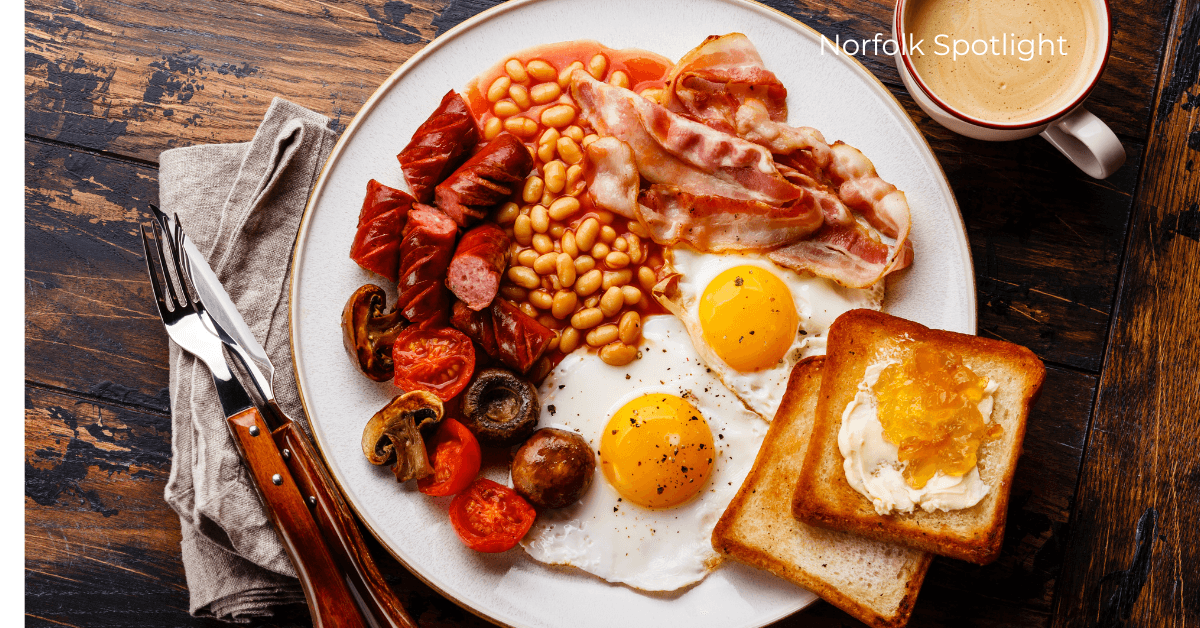 |
The Norfolk Food Test: Full English, Burger Or Sunday Lunch? |
A food recommendation is only helpful if it has a job.
Nice place” is too vague.
Nice for what?
A full English before a coast drive?
This week, we’re opening the Norfolk food test.
Not a lazy “best food places” list.
A proper reader-built test.
Here are the categories we want to build over the next few weeks:
Aisha in Norwich has the correct food-test rule: “Don’t just tell me it’s good. Tell me what it’s good for.”
So pick one.
Full English, burger, Sunday lunch, café cake, pub garden, curry, fish and chips, or something else.
Reply with subject line: FOOD TEST
Tell us the category and the Norfolk place you’d nominate. |
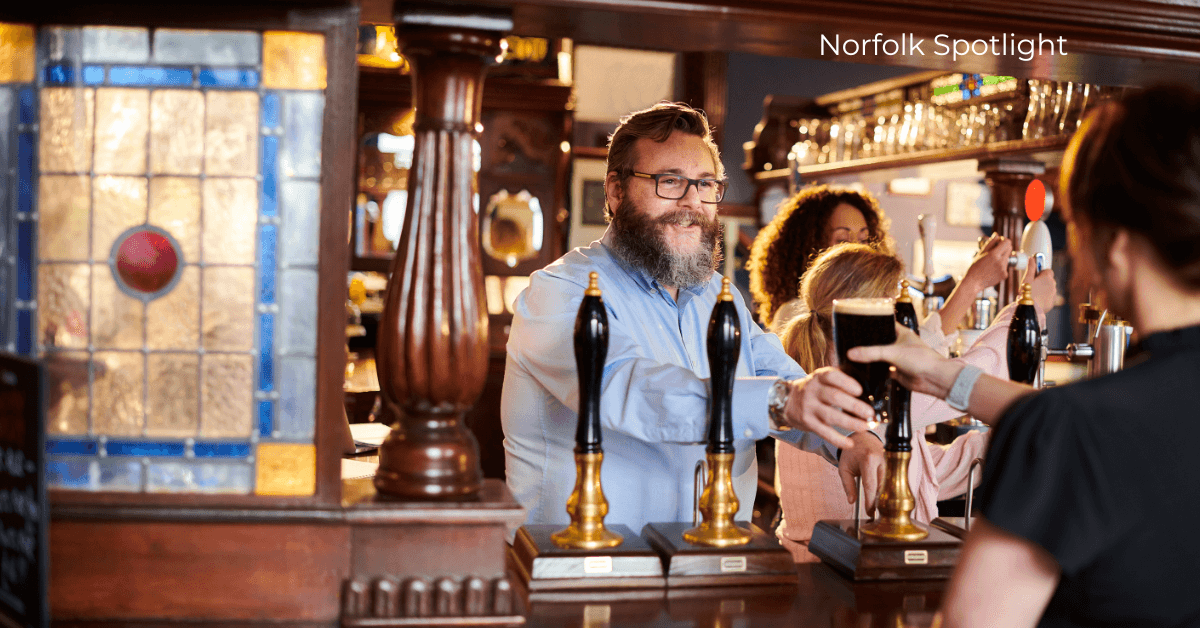 |
Village Pubs Worth The Drive — But Which Ones Actually Work? |
Sometimes the best “new” night out is not new at all.
It is the village pub you forgot existed until someone says:
“Oh, we went there years ago. Wasn’t it good?”
And suddenly everyone pretends they had been meaning to go back. But a village pub recommendation needs more than “lovely”.
It needs the details people actually care about:
Norfolk is built for this kind of reader list: Norwich-edge pubs, market-town favourites, North Norfolk stops, village places near Holt, Fakenham, Dereham, Wymondham, Aylsham, King’s Lynn and all the smaller places people argue about with surprising passion.
Rachel and Tom in Wymondham have the right test: “Would we actually go again, or are we only saying it looked nice?”
Which village pub deserves more attention?
Reply with subject line: VILLAGE PUB
Or comment here: My Favourite Village Pub |
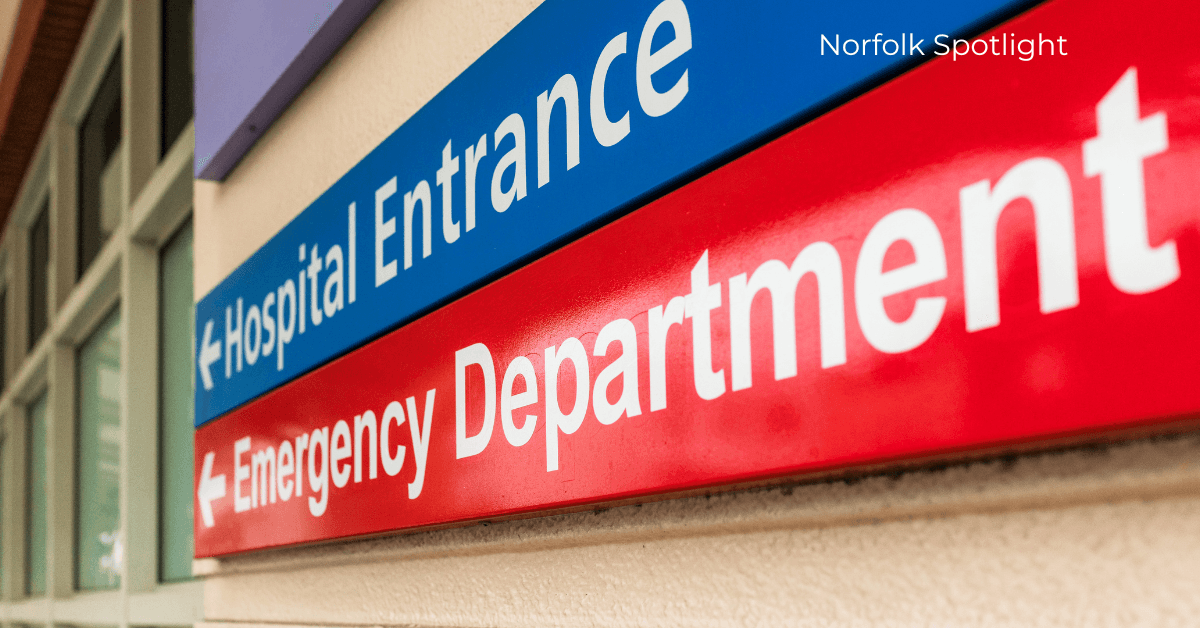 |
Dad’s (and Mums) Hospital Appointment: The Norfolk Mobility Problem Nobody Plans For |
You do not always know this is a problem until you are already in it.
An older parent (or grandparent) has a hospital appointment.
They say they’ll be fine.
Then the car park is further than expected.
The weather turns.
The entrance is not the one you thought.
They need to sit down.
You need to find a toilet.FAST!
You are juggling appointment letters, medication, parking, time, nerves and the fact that your proud Dad is pretending this is all much easier than it is in reality.
For Norfolk families, this can mean Norfolk and Norwich University Hospital, Queen Elizabeth Hospital King’s Lynn, not forgetting the James Paget University Hospital in Great Yarmouth community hospitals, rural transport, longer drives, older relatives in villages, and the classic family sentence:
“It’ll be alright, we’ll work it out when we get there.”
That sentence has caused many problems.
NNUH says disabled parking is free in hospital car parks but not in the privately owned car park, and Blue Badge holders need to take their badge to reception to have the ticket validated.
Similar arrangements apply at other locations but always check in advance because they might vary.
That is exactly the sort of detail people need before the day, not halfway through it.
Before the appointment, check:
Families often plan the appointment and forget the journey, which is like planning the roast and forgetting the oven. Linda in North Walsham has the family version: “You think the appointment is the hard bit. Sometimes it’s getting there.”
Who locally helps with this?
Mobility hire? Accessible taxis? Care support? Patient transport advice?
Someone who has done this and knows the traps tell us your experience and suggestions?
Reply with subject line: HOSPITAL HELP |
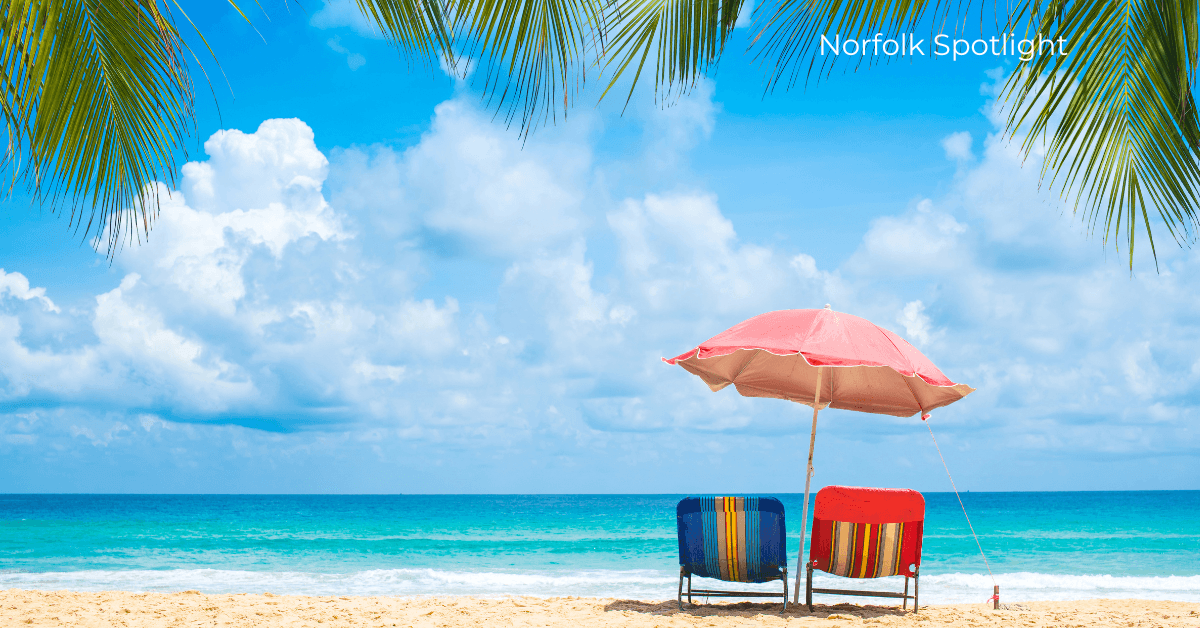 |
Passport, ESTA, EES, ETIAS: The Holiday Admin Trap Before Stansted, Norwich Airport Or Dover |
Some holiday mistakes happen on holiday.
Bad hotel. Wrong shoes. Someone packing one phone charger for four people and calling that “fine”.
But the expensive mistakes usually happen before you reach the airport.
For Norfolk families heading from Norwich Airport, Stansted, Luton, Heathrow, Gatwick, East Midlands, Dover or Harwich, the boring admin is now part of the trip.
And boring admin is exactly the stuff that ruins holidays when ignored. If you’re going to the USA
British travellers usually need either a visa or an ESTA under the Visa Waiver Program.
GOV.UK says your passport must be valid for the length of your planned stay in the USA, and travellers going through another country on the way should check that country’s rules too, because some countries require at least six months’ passport validity.
Before booking airport parking, check:
Ranjid and Paula in Norwich have the family version: “One wrong spelling and suddenly the whole trip feels fragile.”
If you’re going to Europe
This is where people are getting confused.
There are two different things to know:
So the plain version is:
This matters because extra EES checks have already caused disruption. This weekend, reports said extra EU border checks at Dover were suspended after delays and bottlenecks for travellers heading to France.
Before you book, check the destination rules.
Reply with subject line: TRAVEL CHECK
What travel admin mistake worries you most? |
 |
£100 A Month: Cash Savings, ISA Or Investment? |
Saving £100 a month sounds simple.
It isn’t.
Not because saving is bad.
Because the right place for the money depends on the job you want it to do.
Emergency fund?
Those are not the same problem.
GOV.UK says every tax year you can save up to £20,000 into an ISA, either in one account or split across different ISA types.
Here is the simple version.
If you might need the money soon
Cash usually matters more than cleverness.
Emergency money, car repairs, rent gaps, school costs and short-term savings should not be somewhere that can fall sharply just when you need it.
If the goal is several years away
Then investing might become part of the conversation, but only if you understand that values can go down as well as up.
That is not a scary disclaimer. It is the whole point.
If you’re saving for a first home
A Lifetime ISA may be relevant for some people, but the rules matter. You need to check eligibility, withdrawal rules and whether the property price limit works for you.
If you have expensive debt
Saving while paying high-interest debt may not be the best order. Sometimes the “investment” is stopping money leaking out.
If it is for a child
That is a different question again, because control and timing matter.
Mei in Norwich has the honest version: “I don’t need someone to show off. I need to know what is sensible for the goal.”
This is not personal financial advice.
It is the question behind the question:
What are you actually trying to do with the £100?
Reply with subject line: MONEY QUESTION
What do you wish someone had explained earlier about saving or investing? A savings habit is good. A savings habit in the wrong place for the wrong goal is just tidy confusion. |
 |
Junior ISA: Helpful Gift Or Awkward 18th Birthday Surprise? |
A Junior ISA can sound like a neat answer.
Save for the child.
Tax-free.
Long-term.
Nice grandparent points.
But there is a detail families need to understand properly.
GOV.UK says the Junior ISA limit for the 2026/27 tax year is £9,000. That matters because saving for a child is not only a money decision.
It is a timing and control decision.
Are you saving for:
A Junior ISA can be brilliant for long-term saving.
But if you are not comfortable with the child having control at 18, it may not be the right answer for every family goal.
Linda and Pat near Fakenham have the grandparent version: “We want to help, but we want it to be used sensibly.”
Fatima in King’s Lynn has the parent version: “I’d like to save, but I don’t really know what account does what.”
Questions to ask before opening one:
Who do you know who explains child savings without making it feel like a maths exam?
Reply with subject line: CHILD SAVINGS |
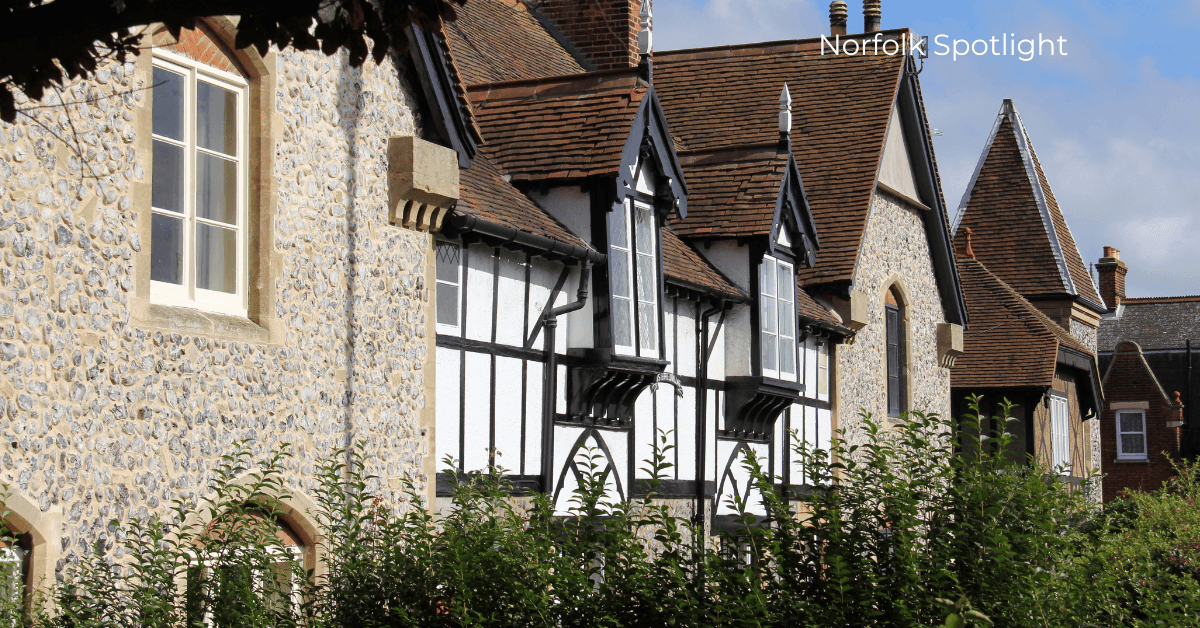 |
What £250k–£325k Actually Buys Across Norfolk — And The Traps Behind The Photos |
This is not another mortgage-renewal article.
The latest issue already went near that territory.
This is the bit buyers often miss because the kitchen looked nice, the photos had suspiciously generous sunshine, and the garden appeared to be larger than a bathmat from one very flattering angle.
Norfolk is awkward like much of the country because the same budget can buy very different lives.
The latest average figures for March 2026 Norfolk's districts include:
But it can also buy completely different compromises.
In one place, it might mean more space but more driving.
In another, it might mean better access but less house.
In a village, it might mean charm plus repairs.
Near the coast, it might mean lifestyle plus competition.
In a city flat, it might mean convenience plus service charges.
Before falling in love with the kitchen, check:
Raj and Priya in Wymondham have the family version: “A bigger house is pointless if the school run becomes a daily punishment.”
Chris and Dan in Norwich have the cost version: “The mortgage is one number. The real monthly cost is the bit that scares us.”
Before offering, ask:
What am I buying besides the rooms?
Reply with subject line: PROPERTY CHECK
What would you check before offering on a Norfolk home?
Norfolk property can look like a dream until the heating, drainage, parking, repair bill or 40-minute school run starts explaining the real cost. |
Thinking Of Selling Your Home In Norwich Get The Very Latest Information In Our New Property Newsletter By Clicking The Image Below |
 |
 |
First-Time Buyer Costs That Arrive After The Deposit |
First-time buyers are told to save for the deposit.
Good.
But that is not the whole bill.
Not even close.
The awkward bit is how many smaller costs turn up together, usually at the exact moment everyone is already emotionally worn out.
A first-time buyer might budget for:
That last one is not official, but it is spiritually real.
The reveal is this:
The deposit is the headline. The pile-on costs are what catch people out.
If you’re buying a Norwich terrace, a King’s Lynn semi, a Dereham family house, a coastal flat or a village cottage, the questions change slightly.
A flat may mean service charges and lease questions.
An older terrace may mean heating, damp, windows, electrics or roof concerns.
A newer estate may mean management charges or snagging.
A village house may mean car dependency and repair costs.
Maya in Dereham has the blunt version: “I thought the deposit was the mountain. Then the extras arrived.”
Chris and Dan in King’s Lynn put it like this: “It’s not one massive shock. It’s fifteen medium shocks in a coat.”
Before you start viewing seriously, make a second budget called:
Money we need after the deposit.
Then be honest with it.
Who helped you understand the real buying costs?
Reply with subject line: FIRST HOME |
The Conveyancing Bit People Only Notice When It Delays The Keys |
“Offer accepted” sounds like the finish line.
Anyone who has bought a house knows it is more like someone opening a drawer full of forms and saying:
“Lovely. Now we begin.”
The bit buyers often miss is that conveyancing is not just admin. It is where small problems become delay problems.
Common hold-ups include:
Norfolk adds its own flavour: older cottages, rural boundaries, drainage questions, outbuildings, shared access, coastal conditions, septic tanks in some locations, and properties where “character” may mean “please inspect this properly”.
Jerzy and Tomas near Dereham had the classic version: “We thought finding the house was the stressful bit. Then the forms started.”
Omar in Thetford had the honest version: “I didn’t understand half of it. I just knew it sounded expensive.”
A good conveyancer explains early:
“This is normal.”
Before choosing one, ask:
What paperwork bit confused you most?
Reply with subject line: HOUSE PAPERWORK
And who explains this without making people feel daft? |
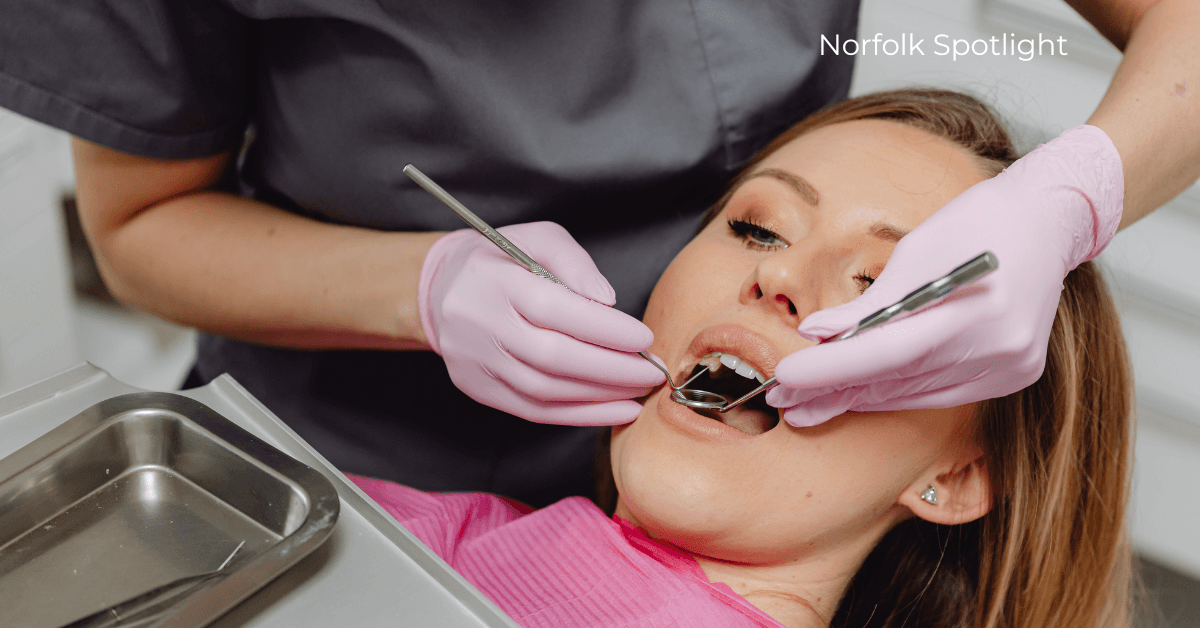 |
Dental Pain That “Only Hurts Sometimes” |
“It only hurts sometimes” is how many people talk themselves into doing nothing.
A tooth twinges.
Then settles.
Then comes back.
Then goes again.
Then one day you are chewing on one side like that is a long-term life strategy.
Marta in Dereham has the familiar version: “It only hurt now and then, which is exactly how I justified ignoring it.”
Pilar in King’s Lynn has the parent version: “I need someone calm with my daughter, not just someone technically available.”
George near Holt has the older-reader version: “I don’t want a lecture. I want options.”
This is not about scaring people.
It is about the dental problems people delay because of cost, nerves, embarrassment, children, access or not knowing whether it is urgent.
A sensible check:
If the answer is yes, it is probably not one to keep ignoring. It only hurts sometimes” is not a dental plan. It is a negotiation with future pain, and future pain usually wins.
We’re looking for a Norfolk dentist who is genuinely good with nervous patients.
Who would you recommend?
Reply with subject line: DENTIST
Tell us what made them good: calm manner, clear prices, good with children, no judgement, emergency help, or explaining options properly.
|
 |
Which Car Actually Works For Norfolk Families? |
The best family car is not always the one with the best review.
It is the one that survives your actual week.
For Norfolk families, that usually means five things.
1. Boot space that works in real life
Pushchair, school bags, football kit, dog, big shop, holiday bags, beach stuff, muddy shoes, older relatives’ walking aids. A car can look roomy until the first Sunday when everyone’s stuff goes in sideways.
2. Rear doors that do not punish parents
If you are still dealing with child seats, narrow rear doors are a daily irritation. You only notice after buying the car, which is rude of the universe.
3. Running costs, not just monthly payment
Insurance, tyres, servicing, fuel, road tax and repairs matter. The “affordable” car can become less affordable if the tyres are huge or one warning light becomes a small financial event.
4. The journey you actually do
A Norwich school-run car is different from a rural Norfolk car. If you mostly do school, supermarket, clubs and city parking, you may want something easier to park.
If you regularly use the A47, A11, coast roads or long rural routes, comfort, fuel economy, visibility and reliability matter more.
5. Used-car checks before you fall for itCheck service history, MOT history, tyre condition, warning lights, clutch/gearbox feel, electrics, air con, and whether the boot and rear seats fit your actual life.
For many families, the sensible shortlist is usually not exotic:
Nadia in King’s Lynn has the working-parent version:
“If the car is off the road, everything collapses.”
Dave near Swaffham has the rural version:
“I don’t need flashy. I need it to start, stop and not bankrupt me.”
So the Norfolk question is not:
What is the best car?
It is:
What fits your week without draining your month?
Reply with subject line: CAR CHECK
What family car actually worked for you around Norfolk? |
 |
The Garage Trust Test |
Most drivers do not want to become car experts.
They just want to know whether the noise is:
A. harmless A good garage does not just fix the car.
It explains what is urgent, what can wait and why.
That matters even more in rural Norfolk, where losing the car for two days can break work, school, appointments, shopping and half the family logistics.
Matthew in Dereham has the trust issue:
“I don’t mind paying if it needs doing. I just want to know I’m not being taken for a ride.”
Dave near Swaffham has the noise issue: “It only makes the sound sometimes, which is how I convinced myself it wasn’t real.”
So here’s the garage test:
Would they show you the issue?
Who’s the garage you trust to tell you what actually needs doing?
Reply with subject line: GARAGE TRUST
No naming and shaming. We’re looking for what good looks like. |
 |
Auction Costs: What Do You Actually Keep After Fees With Those REAL DEALS You Find In Your Loft? |
Shows like Dickinson’s Real Deal are brilliant because they make everyone look at the loft and think:
“Maybe that weird thing in the box is worth something.”
And sometimes it is.
But the real-life question is not just:
“What’s it worth?”
It is:
“What do I actually keep after costs?”
That is the bit people miss.
For one Norfolk/Suffolk auction example, Bishop & Miller says its vendor commission is 17.5% plus VAT, and that there is a £6.50 plus VAT lotting fee per lot.
So if something sells for £500, do not assume £500 lands in your hand. Depending on the auction house and item, selling can involve:
Before you send the watch, painting, old tools, jewellery, coins, vinyl, furniture or inherited mystery object to auction, ask:
That last question is the important one.
Hammer price is not the same as money in your pocket.
The hammer price is the headline.
The amount you keep is the story.
What’s sitting in your loft, garage or spare room that you’ve always wondered about?
Reply with subject line: LOFT VALUE |
 |
Stay, Marry, Meet: The Norfolk Venue Test |
A venue is not just “pretty”.
Pretty is lovely.
Pretty does not help much if parking is a mess, older guests struggle, the rooms are awkward, the food is vague, the wet-weather plan is “let’s hope”, or nobody can work out how guests are getting home.
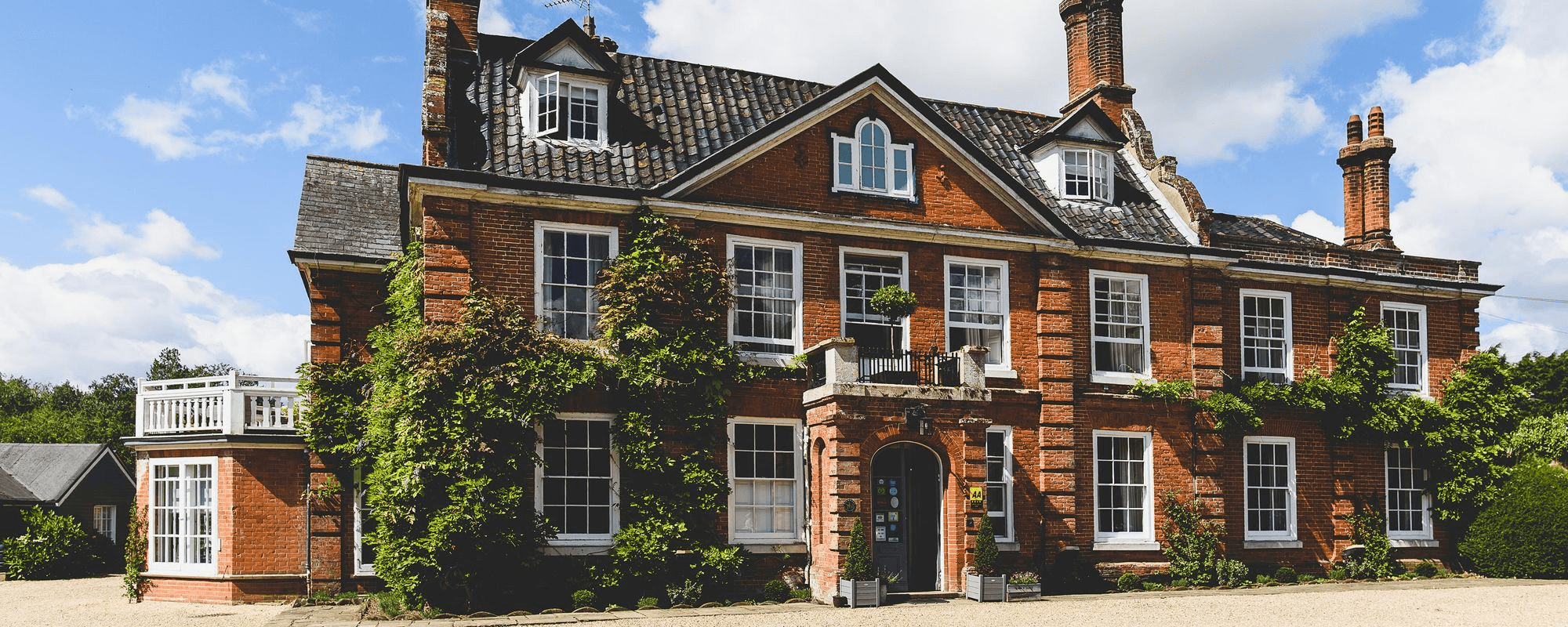
This week’s venue-test example is The Norfolk Mead Hotel. Venue & Spa
This is country hotel with facilities to match including a popular restaurant run by executive chef Damien Woollard with menu's for all occasions.
In addition it offers a wide range of rooms (not for those on tight budget) which is perfect for a wedding venue, party, or family meet up.
The Norfolk Mead in Coltishall is a short drive out of Norwich to the north and also close to the popular town of Wroxham and the Norfolk Broads.
The website talks of a Garden Room which can accommodate up to 140 seated guests or 250 for parties and evening receptions, located within its walled garden.
That gives us the proper venue test:
Look it for a wedding?
Rachel and Jog near Aylsham have the guest version:
“A venue has to work for the people attending, not just look good in photos.”
Julie in Norwich has the practical version:
“If Nan can’t park, sit, eat and get home comfortably, the venue isn’t working.”
Which Norfolk stay, wedding venue, pub with rooms, meeting venue or event space should we test next?
Reply with subject line: VENUE TEST |
 |
Would You Send Visiting Family Here — Or Are You Just Avoiding Giving Them The Spare Room? |
There are two kinds of places you recommend to visiting family.
The first kind looks nice online.
The second kind actually works.
There is a difference.
A pub with rooms, B&B, boutique hotel or coastal guesthouse can look charming in photos and still fail the real family test if the parking is awkward, breakfast is too early, stairs are a pain, the road noise is worse than expected, or your relatives need more help than anyone admitted in the group chat.
So here’s the Norfolk visiting-family test.
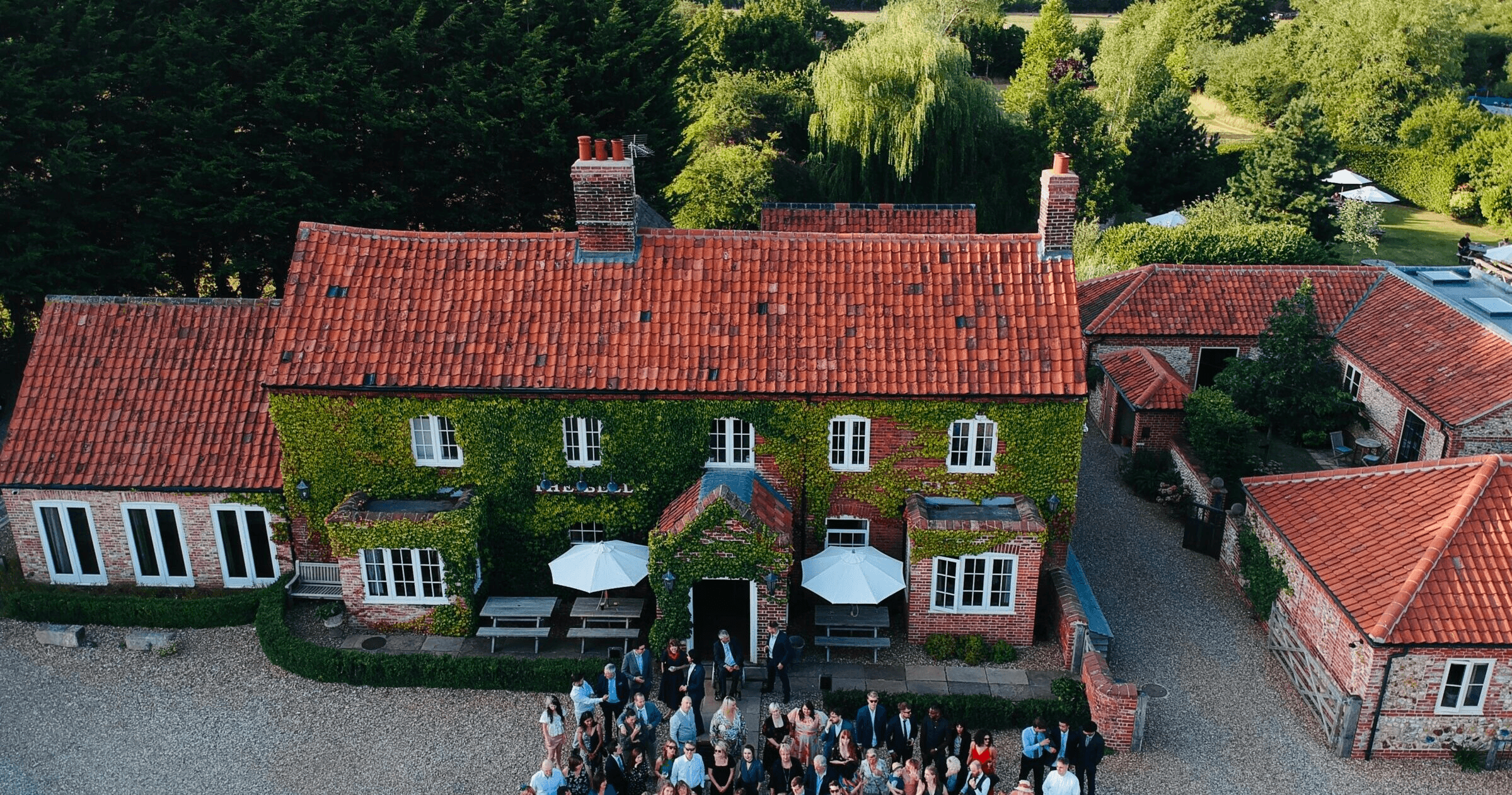
Would you send them to a place like The Brisley Bell, near Fakenham, which says it has six en-suite boutique bedrooms, ground-floor barn rooms leading directly to the garden, one fully accessible room, and three dog-friendly rooms?
That gives us useful detail: ground-floor access, dog options, food, garden access and a village setting exactly the sort of thing families need to know before booking.
Or would you go more coastal, with somewhere like The Globe at Wells, The White Horse Blakeney, The Victoria Inn at Holkham, The Wiveton Bell, The Dabbling Duck or The Gin Trap Inn style of pub-with-rooms that appears on Norfolk pub-stay lists?
The unfiltered bit is this:
“Lovely rooms” means nothing if Nan can’t manage the stairs, the dog rules are vague, parking is a wrestling match, or everyone ends up pretending the breakfast was worth £18 because nobody wants to be rude.
Before recommending somewhere, check:
Jo in Aylsham has the family version: “If they stay with us, nobody sleeps properly. If they stay somewhere bad, we hear about it for years.”
Who passes the visiting-family test in Norfolk?
Reply with subject line: FAMILY STAY |
 |
Dog-Friendly Norfolk: The Difference Between “Dogs Allowed” And “Dogs Actually Welcome” |
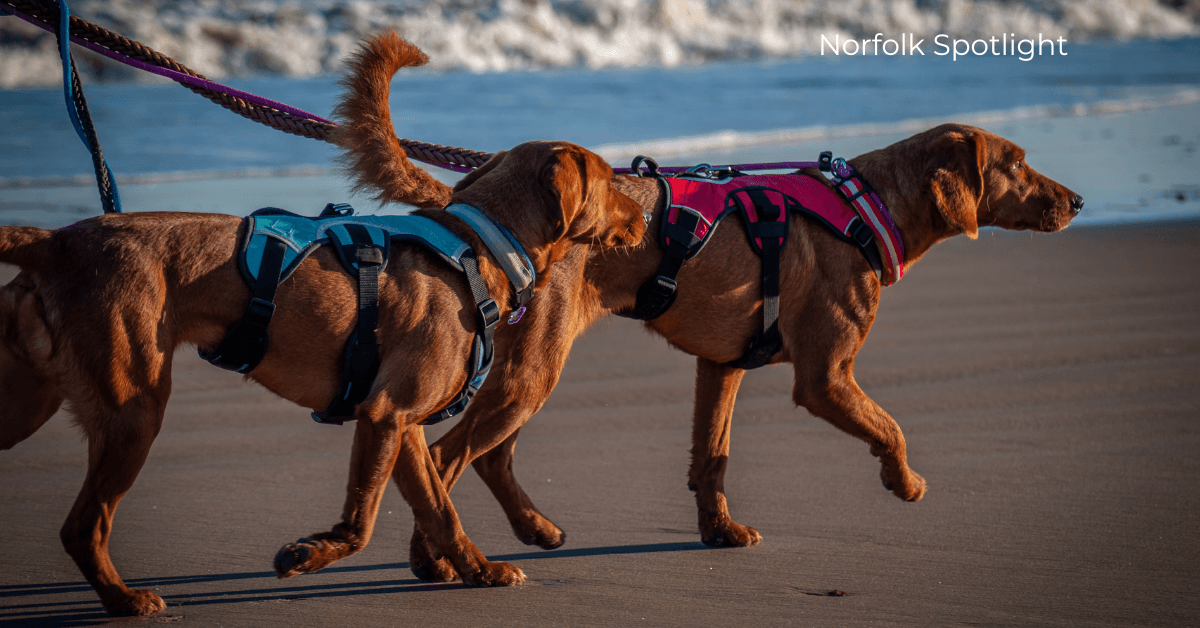
Norfolk is full of places people want to take the dog.
Pubs. Cafés. Coast walks. Holiday stays. Garden centres. Village greens. Beaches where the dog has the best day of its life and the humans spend half the walk saying, “Leave it.”
But dog-friendly is not the same as dog-ready.
And “dogs allowed” is not the same as “this will be relaxing”.
North Norfolk’s dog beach guidance says most of Holkham Beach is still available for well-behaved dogs off-lead, but there are summer on-lead areas to protect nesting and vulnerable wildlife.
It also notes that dogs are not permitted on the first 200 yards of Wells beach from the eastern entrance, so checking signage matters.
That’s the sort of detail dog owners actually need.
Not just:
“Great for dogs!”
Great how?
Can they go off lead?
There are dog-friendly café/pub lists around North Norfolk too, including places such as Wells Beach Café being highlighted as very dog-friendly by Pinewoods’ North Norfolk guide.
But the honest test is this:
Could your dog behave well enough that the place would still welcome dogs next year?
Because one badly managed dog can make life harder for every eager owner.
Before taking the dog, check:
Nisha in Cromer has the nervous-dog version:
“My dog does not need surprise friendships.”
Tell us the Norfolk dog-friendly place that actually works and what owners need to know before going.
Reply with subject line: DOG |
 |
Community Help Before People Know They Need It |
Some help is easy to ask for.
Some isn’t.
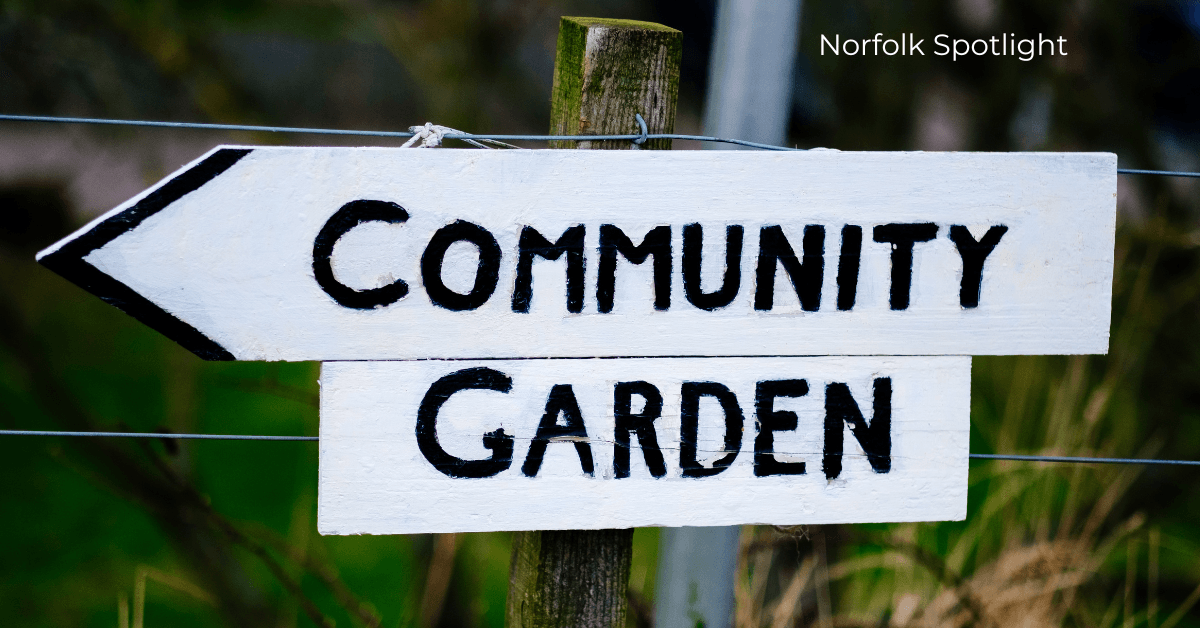
Food help. Warm spaces. Older-person support. Parent groups. Transport help. Community cafés. Advice sessions. Church halls. Local charities.
The practical places where nobody makes you perform being desperate before they help.
The hard bit is often not the help itself.
It is walking in.
That is why low-pressure places matter.
Norfolk has a lot of geography between people and help.
A support group in Norwich may be useless to someone outside Fakenham if there’s no transport.
A parent group may sound great until it clashes with school pickup.
A food project may be exactly what someone needs, but they may not know it exists until the week has already gone sideways.
So this section should not be vague “support is available” comfort language.
The better question is:
Where can someone go in Norfolk when life is getting difficult, but they don’t want to explain everything to six different people first?
We’re looking for other: Community cafés
First-step charities
Malcolm near Dereham has the older-reader version:
“Sometimes you don’t need a big service. You need someone to explain the next step.”
Who should more people know about?
Reply with subject line: COMMUNITY HELP |
 |
Rainy-Day Norfolk: What Actually Works When The Weather Ruins The Plan? |
Norfolk day out plans are very weather-dependent.
One minute you’re imagining a coastal walk, ice cream, nice photos, children behaving like brochure children, and everyone saying how lovely it all is.
Next minute the rain comes in sideways and someone is crying in a car park.
So the rainy-day list needs to be practical.
Not:
“There are lots of things to do.”
That helps nobody.
A proper rainy-day recommendation needs to tell people:
Examples across Norfolk could include indoor options around Norwich such as the City of Norwich Aviation Museum, Highball Climbing Centre, High Altitude Trampoline Park and Funkys Norwich
West Norfolk also points families towards indoor attractions including museums, theatres, art galleries and children’s play areas when the weather turns.
That gives us a better test:
Not “what’s indoors?” what’s indoors and actually worth the effort?
Because some rainy-day ideas are only fun for the person writing the list.
Leah in King’s Lynn has the parent version: “I don’t need a grand day out. I need somewhere that doesn’t all fall apart when it rains.”
Reply with subject line: RAINY DAY
What actually works in Norfolk when the weather ruins the plan? |
 |
Norfolk Businesses Selling Far Beyond Norfolk |
Some of the most interesting Norfolk businesses are not obvious from the high street.
They might be selling online.
Shipping nationally.
Supplying other businesses.
Working from a farm unit, kitchen, studio, workshop, spare room or industrial estate.
They may not have a glossy shopfront, but they may be doing serious business.
And that is where Norfolk can undersell itself.
Because local pride should not only mean:
“I saw it in the town centre.”
It should also mean:
“That was made here, and people outside Norfolk are buying it.”
Norfolk already has a strong food and producer scene. Norfolk Uncovered has highlighted local food and drink brands such as Candi’s Cupboard, Hot Star Honey and Crumpetorium, while Rookery Farm’s producer guide highlights Norfolk food names including Mrs Temple’s cheeses.
That is the kind of thing we want more of.
Not just the obvious tourism-facing businesses.
Also:
Tariq in Thetford has the business-owner version: “Some local businesses are better known outside Norfolk than inside it.”
That is a missed opportunity.
If a Norfolk business is good enough for customers across the country, locals should know about it too.
Reply with subject line: BEYOND NORFOLK
Tell us the Norfolk business selling further than people realise. |
 |
The Older Relative Question People Leave Too Late |
Lots of families do this.
They wait until something becomes urgent before working out the plan. A fall.
A hospital appointment.
A missed prescription.
A mobility problem.
A form nobody understands.
A parent who says, “I’m fine,” while clearly not being fine.
A house that worked ten years ago but now has stairs, rugs, awkward bathrooms, bad lighting and a garden nobody can manage.
This is not about taking over someone’s life.
It is about having the conversation before everyone is tired, worried and trying to fix three things at once.
In Norfolk, this can be even more complicated because distance matters.
A daughter in Norwich, a parent near Holt, an appointment in King’s Lynn, a prescription in a village pharmacy, and a bus route that technically exists but not at the moment anyone needs it.
So the unfiltered question is:
Are we pretending someone is coping because admitting otherwise creates work for everyone?
That sounds harsh.
But plenty of families know it’s true.
Questions worth asking earlier:
Elaine near Fakenham has the daughter version: “The hard bit is knowing when to step in without making someone feel small.”
Who helps older relatives with care, mobility, appointments, forms or practical support?
Reply with subject line: OLDER RELATIVE |
 |
What Should We Test Next? |
This is where Norfolk readers can steer the next few issues.
Not vague “what do you think?” stuff.
Actual tests.
Pick one:
But here’s the rule.
We’re not doing polite listicles.
If we test something, we want the bits people actually care about.
Sunday lunch: roast potatoes, gravy, parking, older relatives, bill shock.
Reply with subject line: TEST THIS
Tell us what Norfolk should test next. |
 |
Who Would You Send A Friend To? |
This is where we stop pretending local knowledge is easy to Google. It isn’t.
You can Google “dentist Norfolk”.
That does not tell you who is calm with nervous patients.
You can Google “garage Norwich”.
That does not tell you who explains what can wait.
You can Google “wedding venue Norfolk”.
That does not tell you whether Nan can park, sit, eat and get home without the whole thing becoming a family WhatsApp incident.
You can Google “dog-friendly pub”.
That does not tell you whether your nervous spaniel will be shoved between a hot radiator and three Rotweillers called Bear, Tyson and Xena.
So tell us who you would send a friend to.
But don’t just name them.
Tell us why.
“They were kind with Mum.”
Reply with subject line: RECOMMEND
That’s how we build the Norfolk layer people actually need.
Not a directory.
A trusted local map & guide. |
 |
Final Word: Build The Norfolk Layer Google Can’t Give You |
This issue has been about the things people usually find out too late.
The document check before the holiday.
That is what Norfolk Spotlight should become.
Not another list of things happening.
A place where readers help build the layer Google can’t give you.
And yes, we’re going to keep asking the slightly awkward questions.
Is the “dog-friendly” pub actually good for dogs?
Next issue, we’ll start turning your replies into reader-built lists, tests and local guides.
So send one thing.
A pub.
That’s how this gets good.
See you next week. |
Norfolk Spotlight is a free, independent newsletter bringing clarity, context and practical stories from across the county, property, money, local business, families, homes and everyday life.
We work with a small number of trusted local partners each month whose expertise genuinely helps our readers live, work and move more confidently from mortgage specialists and financial advisers to home services, health, family and community experts.
To talk partnerships or share a story:
💬 Join us on Facebook → Norfolk Spotlight (local discussion + reader tips)
https://www.facebook.com/norfolkspotlight
Now published every week — designed for people who live and think locally it's your Peterborough Spotlight. |